
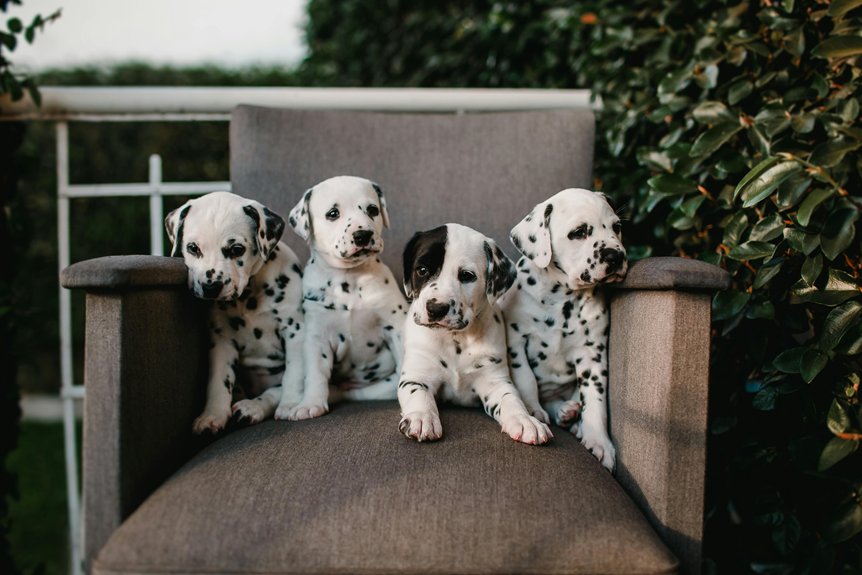
A backyard breeder prioritizes profit over puppy welfare—skipping health testing, breeding repeatedly without records, and rushing sales before you ask questions. You’ll spot one fast: they won’t screen your home, dodge facility visits, or push puppies out before eight weeks (which harms socialization).
Responsible breeders do the opposite—they ask detailed questions, welcome you to visit, and guarantee lifetime support. The difference matters for your dog’s health and behavior. Stick around to learn exactly what questions to ask and which red flags demand walking away.
What Is a Backyard Breeder?
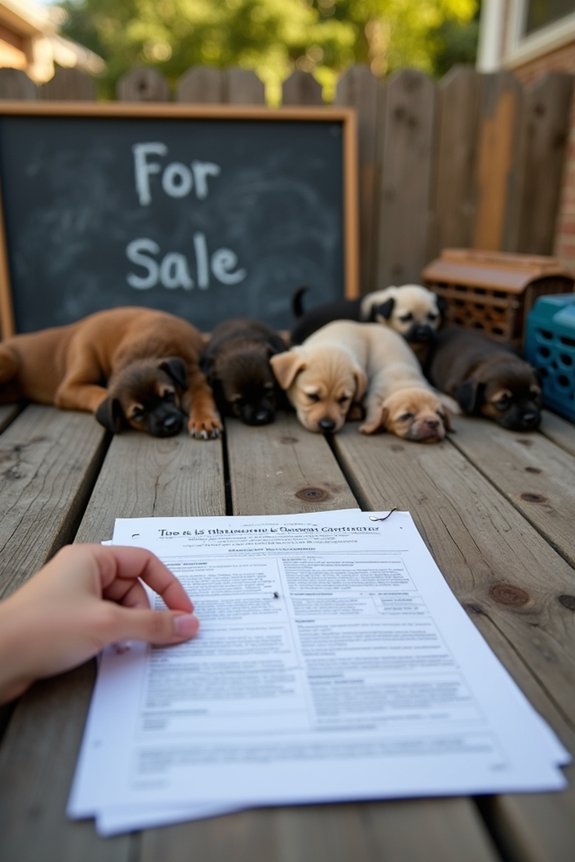
Ever wonder why some puppies seem cheaper and easier to find than others? That’s often the work of a backyard breeder—someone breeding dogs without following proper health testing or breed-improvement practices. Unlike responsible breeders who invest time in OFA clearances and genetic screening, backyard breeders skip these important steps. They’re focused on quantity over quality, churning out multiple litters without carefully planning placements or keeping puppies healthy. These breeders typically avoid asking you questions or letting you visit their facilities. They won’t provide guarantees or take dogs back if problems arise. Understanding what sets backyard breeders apart from responsible breeders helps you make smarter choices when bringing a puppy home.
Backyard Breeders vs. Responsible Breeders: Key Differences
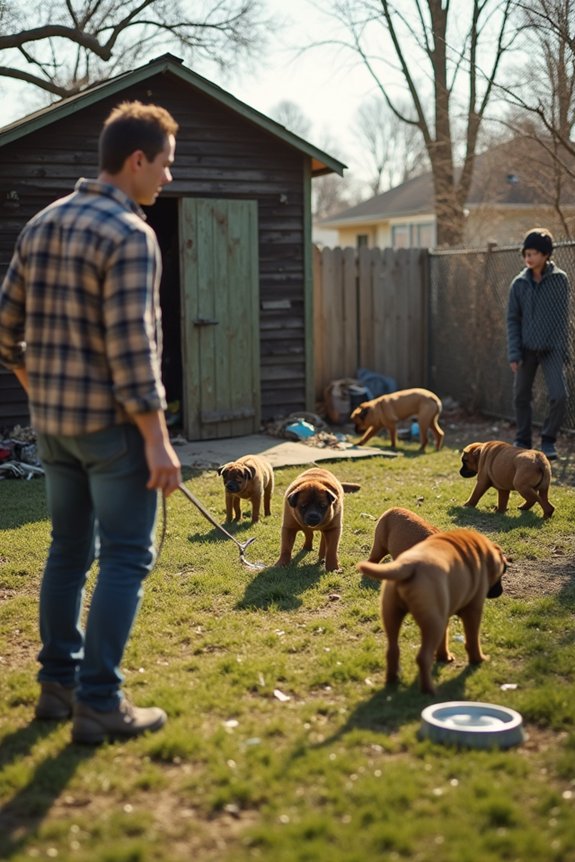
The difference between a backyard breeder and a responsible one comes down to how they approach breeding dogs—and it’s clear once you know what to look for. Responsible breeders invest in health clearances for both parents and maintain detailed records across generations. They limit litters, pre-screen buyers, and require pre-arranged homes before puppies arrive. Backyard breeders skip these steps entirely. They’ll claim vets have “checked” their dogs without showing actual health documentation. They breed frequently, keep puppies available without waiting lists, and discourage facility visits. Responsible breeders welcome questions and facility tours. They provide adoption guarantees and take dogs back if needed. The key difference? One prioritizes the breed’s wellbeing; backyard breeders prioritize profit. When you’re looking for your next family member, these distinctions matter.
Red Flag #1: They Don’t Screen Your Home or Lifestyle
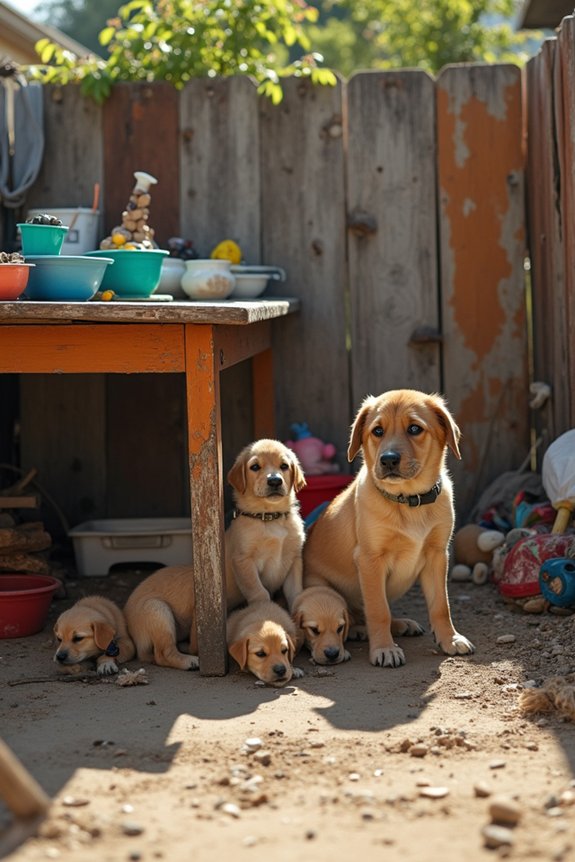
When you’re talking to a breeder, notice if they’re asking you much of anything at all. A responsible breeder will want to know about your home situation, whether you’ve got other pets or kids, and if you’re prepared for a long-term commitment—but backyard breeders typically skip these questions entirely and just want to make the sale. If someone accepts your money without any real vetting, that’s your signal they care more about moving puppies than about placing each one in a suitable forever home.
No Questions Asked Approach
Have you noticed how some breeders seem eager to hand over a puppy without asking anything about you?
That’s a major red flag. Responsible breeders ask detailed questions because they care where their puppies go. They want to verify a good match. A no-questions approach tells you the breeder isn’t conducting home/lifestyle screening—they’re just moving puppies quickly.
| What Responsible Breeders Ask | What Backyard Breeders Ask |
|---|---|
| Yard safety and fencing details | Nothing |
| Your dog experience level | Nothing |
| Daily routine and work schedule | Nothing |
This lack of assessment creates serious welfare risks. Mismatches happen. Puppies end up rehomed or neglected. When a breeder doesn’t screen you, they’re signaling they don’t prioritize puppy welfare—only profit. Pay attention when something feels too easy.
Lack Of Home Assessment
Beyond asking questions, responsible breeders go further—they actually want to see where their puppies will live. A backyard breeder, though, typically skips this step entirely. They won’t request home photos or visit your living space to assess cleanliness and safety. This lack of home assessment is a major red flag in responsible purchasing. Without proper screening, mismatches happen constantly. Your living situation might be unsuitable for the breed’s energy level. Your yard could lack adequate space. Your work schedule might not align with the dog’s supervision needs. When breeders don’t evaluate your home, they’re gambling with their puppies’ futures. Dogs end up abandoned in shelters when homes can’t meet their behavioral or health requirements. Legitimate breeders care enough to verify that their dogs land in appropriate environments.
Absence Of Buyer Vetting
Why’d a breeder skip asking about your living situation entirely? That’s a major red flag. Responsible breeders do buyer vetting—they ask questions about your yard, home setup, and how you’ll care for the puppy. A backyard breeder won’t. They’ll let you pick any puppy without checking if your home’s actually suitable.
This matters because adopter screening protects everyone. When there’s no vetting, puppies end up in wrong environments. Maybe you’ve got no yard but picked a high-energy breed. Or you’re unprepared for the commitment. Without pre-adoption screening, that puppy might get surrendered within months.
A breeder who cares about their puppies will ask questions that demonstrate they’re invested in your success together.
Red Flag #2: They Discourage (or Block) Facility Visits
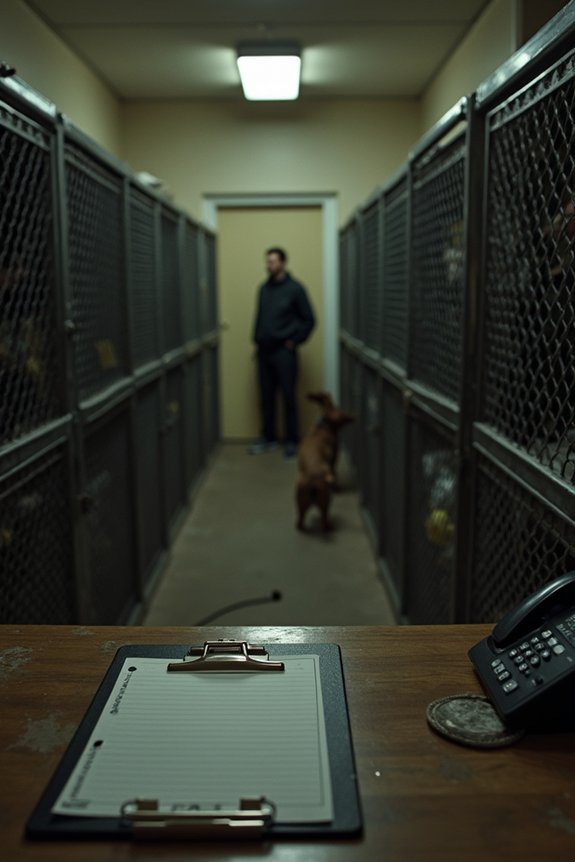
One of the biggest red flags I’ve noticed when researching breeders is when they won’t let you visit their facility. Reputable breeders actually want you to see where puppies live and grow. They’re proud of their clean pens, socialization practices, and the parents themselves.
When a breeder offers only photos or insists on meeting you elsewhere, that secrecy tells a story. They’re hiding something—maybe dirty conditions or stressed animals. This lack of transparency about their breeding environment raises serious concerns for puppy welfare.
Real breeders encourage visits because they have nothing to hide. They want you meeting the mother and father, checking out the space, and understanding how your future companion was raised. If someone blocks facility visits, keep looking. You have the right to know exactly where your puppy comes from.
Red Flag #3: They Push Puppies Out Before Eight Weeks
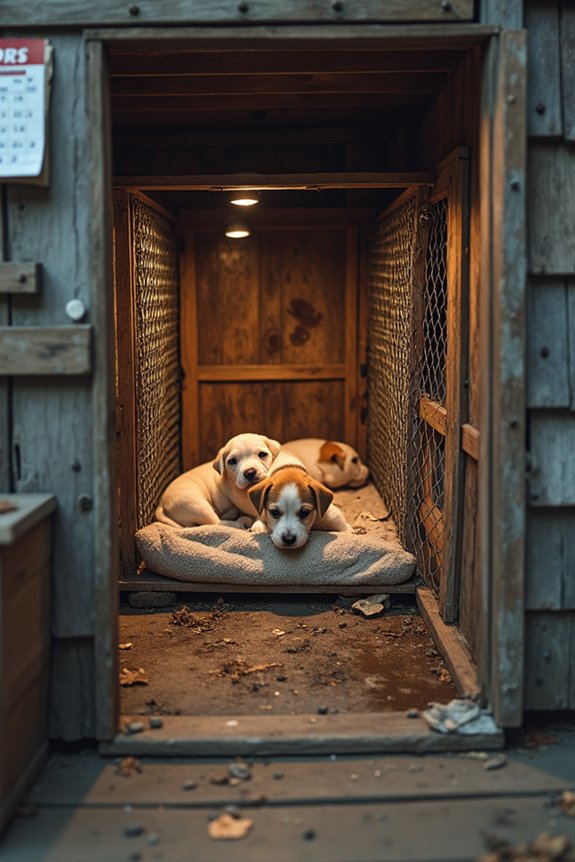
When a breeder insists you take your puppy before eight weeks, you’re looking at someone who’s prioritizing their profit cycle over your pup’s development. During those final weeks with their mom, puppies absorb critical nutrients from her milk and learn bite inhibition and social skills from littermates—lessons they can’t get anywhere else. If a breeder’s rushing you out the door early, they’re likely cutting corners on care to cycle through more litters and boost their income.
Mother’s Milk Nutritional Value
How’s this for a red flag: a breeder who can’t wait to get puppies out the door at six weeks old? I’m talking about breeder ethics that prioritize profit over puppy nutrition. Here’s why it matters: dam’s milk benefits extend far beyond basic calories. A mother dog’s milk contains irreplaceable antibodies and nutrients that build her puppies’ immune systems during those first eight weeks. When you separate a puppy early, you’re cutting short important nutritional support that her body can’t yet replicate independently. This isn’t just about feeding puppies; it’s about their gut health, digestive strength, and long-term resilience. Legitimate breeders understand that those final weeks with mom aren’t optional—they’re foundational. If someone’s pushing early pickup, they’re telling you they don’t prioritize your puppy’s wellbeing.
Accelerated Breeding Cycle Profits
If a breeder’s offering to let you pick up your puppy at six weeks—or worse, they’re shipping the pup to you before eight weeks—that’s your signal to walk away. An irresponsible breeder does this to maximize profit, not protect your future dog. Here’s why it matters: accelerated breeding cycles cut short essential maternal bonding and nutrition transfer. Puppies miss critical immune-boosting antibodies from their mom’s milk during these final weeks. Early removal also means welfare concerns go unmonitored—congenital issues and behavioral problems often emerge after eight weeks, but the breeder’s already pocketed your money and moved on. Quick turnover between litters signals quantity over quality. Real breeders keep puppies eight weeks minimum because they’re invested in each pup’s health and your success together.
Socialization Development Window Lost
Beyond the profit motive, early puppy removal damages something you can’t buy back: your dog’s social foundation. When breeders push puppies out before eight weeks, they’re cutting corners on critical development. Your pup misses essential lessons from mom and littermates—like bite inhibition and reading social cues—that shape their entire personality.
This breeder red flag matters because puppies need that full window for puppy socialization. Without it, you’re likely looking at an anxious, fearful dog who struggles with other dogs and people. I’ve seen firsthand how early separation creates behavioral issues that take months to address.
The eight-week rule exists for solid reasons. Be skeptical when breeders pressure quick pickups. That’s when you know something’s off about their operation.
Red Flag #4: Litters Are Always Available
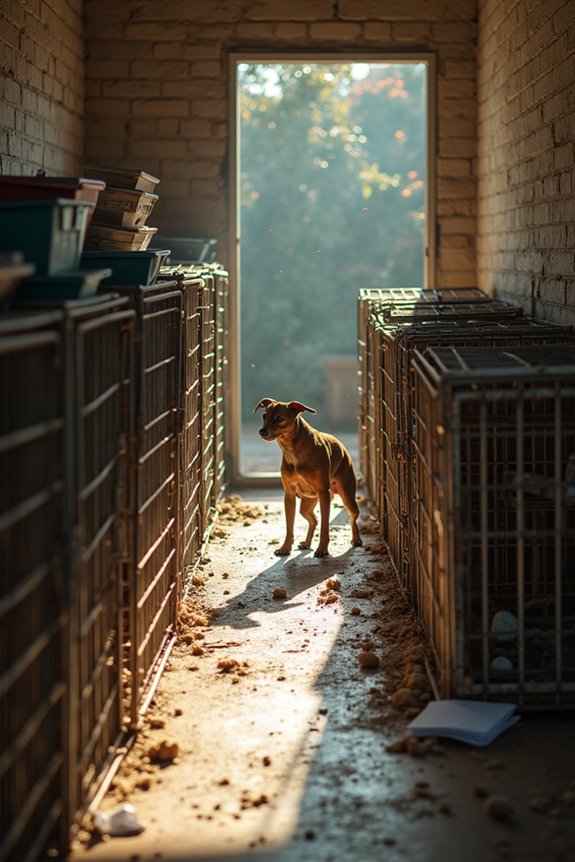
Responsible breeders space pregnancies to let mother dogs recover fully. They plan litters carefully, matching puppies to specific families. But when you find unlimited puppies year-round? That breeder’s skipping health checks between pregnancies and likely breeding multiple females simultaneously.
This approach creates serious welfare concerns. Overworked dams produce puppies with behavioral and genetic problems. You’ll notice no emphasis on planned timing or family matching—just puppies for sale whenever you want them. That’s profit-driven breeding, plain and simple.
Why Health Testing Matters: OFA Clearances and Genetic Standards
What separates a breeder who genuinely cares from one just chasing profits? Health testing. When I talk to responsible breeders, they’re proud to show OFA clearances—proof that both parents passed screening for breed-specific conditions like hip dysplasia or heart problems. Genetic testing goes further, identifying inherited risks before puppies are born. These health clearances aren’t optional luxuries; they’re the foundation of ethical breeding. Backyard breeders skip this step entirely, which is your biggest red flag. They’ll dodge questions about testing or claim their dogs are “naturally healthy.” Don’t fall for it. Real breeders require health clearances for both parents because they’re committed to reducing hereditary diseases in their lines. Responsible breeding practices require proper health screening.
What Pedigrees and Health Guarantees Actually Mean
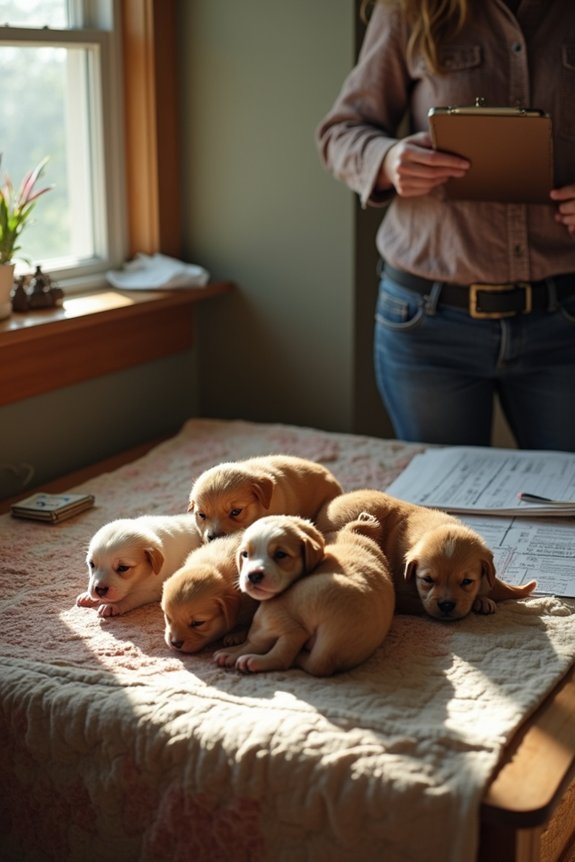
A pedigree alone tells you nothing about whether those ancestors were actually healthy. I’ve seen impressive-looking family trees from breeders who’ve never tested a single dog. What matters is documentation—real health clearances and genetic test results for at least two generations of parents and grandparents.
When you’re evaluating a breeder, ask for written proof. Vague promises don’t cut it. A responsible breeder offers health guarantees in writing, specifying you can return the dog for any health-related issue or lifetime breed-related problems. No guarantee? That’s a red flag.
I treat pedigrees like resumes: credentials matter only when verified. Without documented health clearances backing up those fancy names, you’re gambling with your puppy’s future and your wallet. Don’t settle for less.
Health Problems and Behavioral Issues in Backyard-Bred Dogs
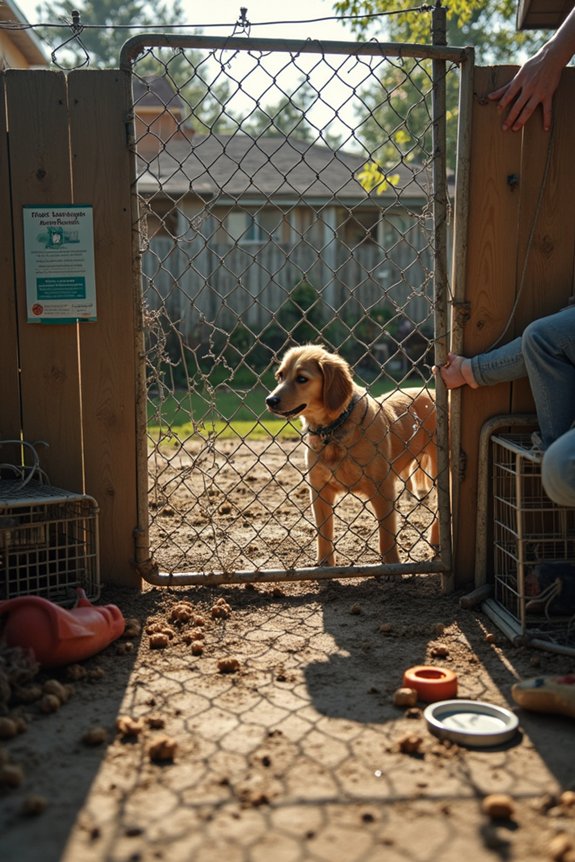
I’ll be direct: backyard-bred dogs often carry serious health problems because breeders skip genetic testing and OFA clearances that responsible breeders use to screen for hip dysplasia, elbow disorders, and inherited eye conditions. You might also notice behavioral issues like fearfulness, poor socialization, and training difficulty since these dogs didn’t get proper early handling and littermate interaction that shapes a healthy temperament. Without health guarantees, you’re looking at potentially thousands in vet bills for problems that reputable breeders would’ve prevented or disclosed upfront.
Genetic Health Defects
they’re not random bad luck—they’re predictable consequences of skipping health screening.
When breeders don’t use OFA-clearance or genetic testing, they’re gambling with your puppy’s future. I’ve seen families devastated by hip dysplasia, elbow problems, and eye disorders that could’ve been prevented.
Here’s what happens without proper screening:
- Recessive disorders multiply when the same untested parents breed repeatedly
- Breed-specific issues emerge because nobody’s checking family histories
- Veterinary bills skyrocket as genetic problems develop over years
The reality? Your backyard-bred pup might face surgery, chronic pain, or lifelong medication needs. Reputable breeders invest in health screening because they care—not just about selling puppies, but about the dogs thriving in your home for their entire lives.
Behavioral And Temperament Problems
While genetic health issues get plenty of attention, behavioral problems in backyard-bred dogs can be just as damaging to your family’s quality of life. I’ve seen how backyard-breeding practices create temperament issues that ripple through households.
| Behavioral Red Flag | Root Cause | Impact on Your Home |
|---|---|---|
| Aggression or shyness around people | Poor early socialization | Difficulty with visitors and outings |
| Separation anxiety | Early mother-litter separation | Destructive behavior when alone |
| Poor bite inhibition | Inadequate peer interaction | Safety concerns with children |
When breeders repeat the same untested sires, inherited fearfulness and reactivity become predictable problems. Chronic pain from health defects worsens anxiety, creating a cycle you’ll struggle to break. These dogs need extra patience, professional training, and veterinary care—costs backyard breeders never disclosed upfront.
How Backyard Breeding Fills Shelters and Pounds
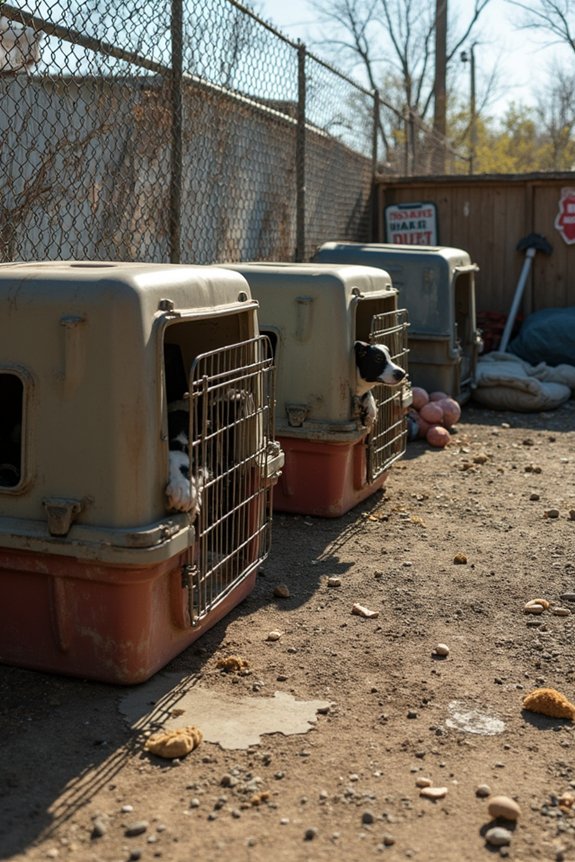
The cycle starts simply enough: a backyard breeder produces puppies, sometimes lots of them, without much thought about what happens next. When breeders can’t sell all the dogs they’ve produced, those animals end up somewhere—and that somewhere is usually our local shelters and pounds.
Here’s what I’ve learned about how backyard breeding fills these facilities:
- Breeders discard mother dogs once they’re no longer profitable, creating more strays
- Unsold puppies get surrendered when owners realize they’ve got behavioral problems
- Overcrowded shelters struggle with limited resources and space
You can help break this cycle. Choosing adoption from shelters means fewer dogs languish in cages. When we adopt instead of buying from backyard breeders, we’re reducing demand for irresponsible breeding and giving deserving animals real homes.
Questions That Expose a Backyard Breeder
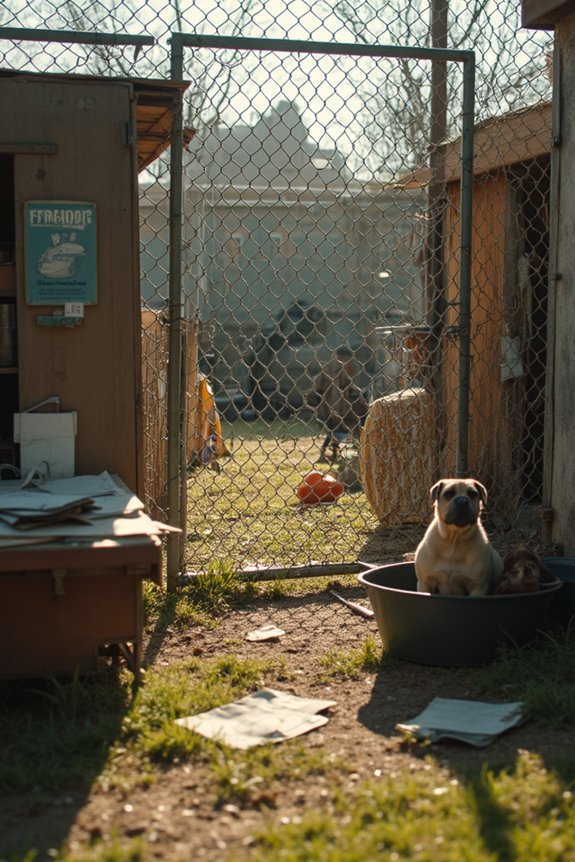
When you’re chatting with a breeder, pay attention to whether they’re asking *you* questions about your home, lifestyle, and dog experience—reputable breeders do this as standard practice. I’d recommend asking them directly about their screening process, what they look for in puppy buyers, and whether they require a contract or follow-up visits, since backyard breeders typically skip these steps entirely. Notice too if they pressure you toward immediate adoption, discourage home visits, or seem unfamiliar with your long-term commitment to the dog’s health and wellbeing.
Home Environment Assessment
How’s a breeder’s home really set up? I’d want to visit in person and see where the puppies actually live. A backyard breeder typically discourages these visits, which is a major red flag. Here’s what I’d look for:
- Living conditions: Clean spaces with proper ventilation, adequate room for dogs to move around, and appropriate temperature control
- Health documentation: Original OFA clearances, vet records, and genetic testing results—not just verbal claims
- Breeding environment: Where the dam stays during pregnancy and nursing, including cleanliness and safety
When a breeder won’t let you see their home environment, that’s telling. Legitimate breeders welcome visits because they’re proud of their setup. They’ll show you health documentation without hesitation. If something feels off about the living conditions or their reluctance to share records, it probably is.
Experience Level Inquiries
Beyond just checking out their home setup, you’ll want to pay attention to how a breeder interacts with you—or doesn’t. A backyard breeder won’t ask much about your experience level with puppies. They’ll skip questions about whether you’ve trained dogs before or handled behavioral challenges. Reputable breeders, by contrast, want to know everything. They’ll ask if you’ve raised puppies previously, how you’d handle specific situations, and whether you understand the commitment ahead. These experience level inquiries protect both the puppy and you. A breeder who skips home screening and experience questions isn’t invested in matching the right puppy with the right family. That’s a red flag worth taking seriously before you hand over money.
Long-Term Commitment Verification
- One of the clearest ways to spot a backyard breeder is to ask what happens if you can’t keep the dog anymore. Responsible breeders take their dogs back—no questions asked. They’ll have a written contract stating this commitment. Backyard breeders? They won’t.
- During breeder screening, ask directly: “Will you take the dog back if my situation changes?” Listen carefully to their answer.
- Here’s what separates the good from the problematic:
- Lifetime support clauses in contracts mean breeders stand behind their dogs forever
- Health guarantees protect you if genetic issues emerge later
- Rehoming plans keep your dog out of shelters
- A responsible breeder views puppy placement as a lifelong partnership, not a one-time transaction. They’re genuinely invested in where their dogs go and what happens next.
How Responsible Breeders Actually Operate
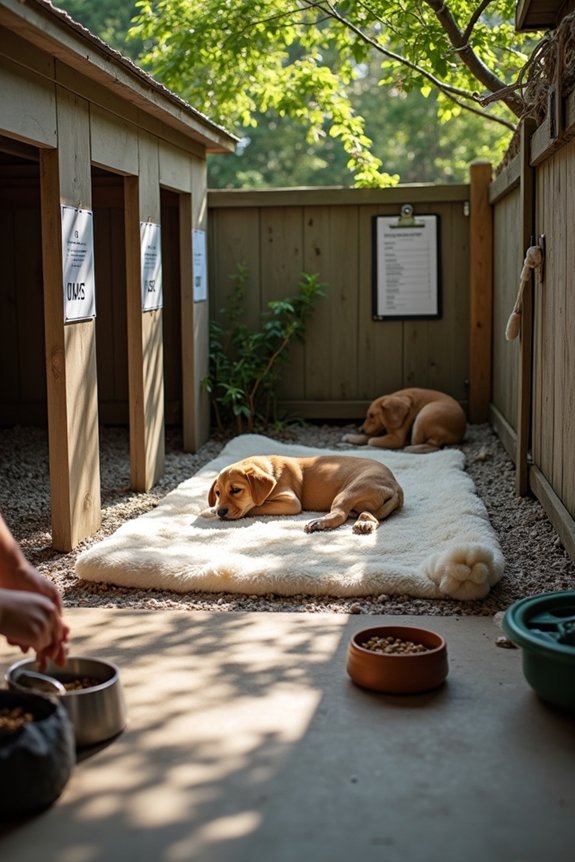
What separates a responsible breeder from someone just breeding dogs in their backyard? It comes down to their actual practices and commitment to doing things right.
A responsible breeder’s screening process starts before you even see a puppy. They’ll ask detailed questions about your home, lifestyle, and experience with dogs. They want to know if you’re truly ready. These breeders also provide health clearances and genetic testing for both parents, working to prevent breed-specific problems down the road.
Here’s what really matters: they breed only when there’s genuine demand, maintain wait lists, and rarely ship puppies. They keep dogs socialized properly and won’t release them until they’re fully weaned. A backyard breeder? They’ll sell to anyone, anywhere, anytime.
Finding a Responsible Breeder: Where to Start
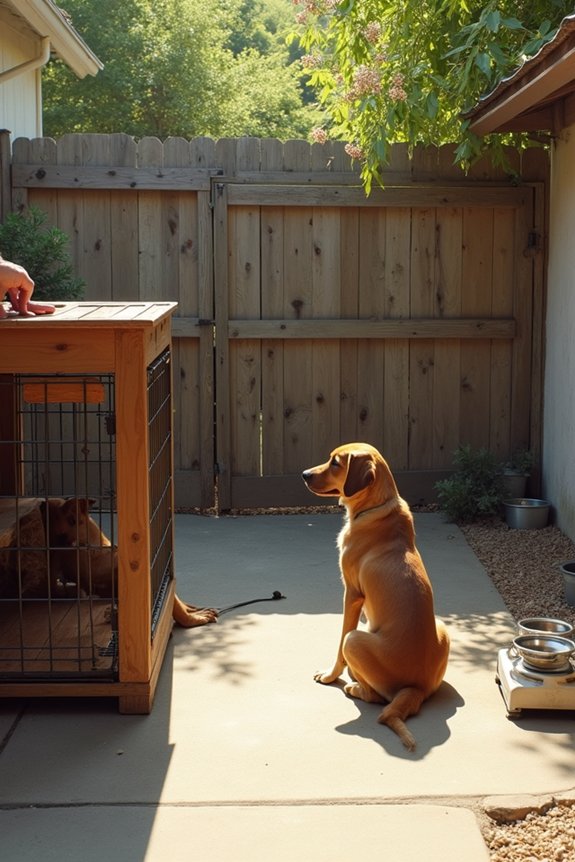
So you’ve decided you want a puppy from a breeder—now comes the hard part of actually finding one who’s doing things right.
Start by seeking breeders with these qualities:
- They maintain wait lists and plan litters thoughtfully rather than breeding year-round
- They require health testing like OFA clearances for both parents and offer dog-back guarantees
- They screen adopters carefully and prioritize socialization from day one
Ask to meet the mother dog and learn about the breeder’s adoption process. Reputable breeders won’t pressure you into immediate purchases or shipping arrangements. They’ll answer your questions openly and provide documentation of health testing results.
You’re looking for someone who treats breeding as a responsibility, not a side hustle. These breeders exist—you just need to know where to look and what questions to ask.
Why Adoption Often Beats Buying From a Breeder
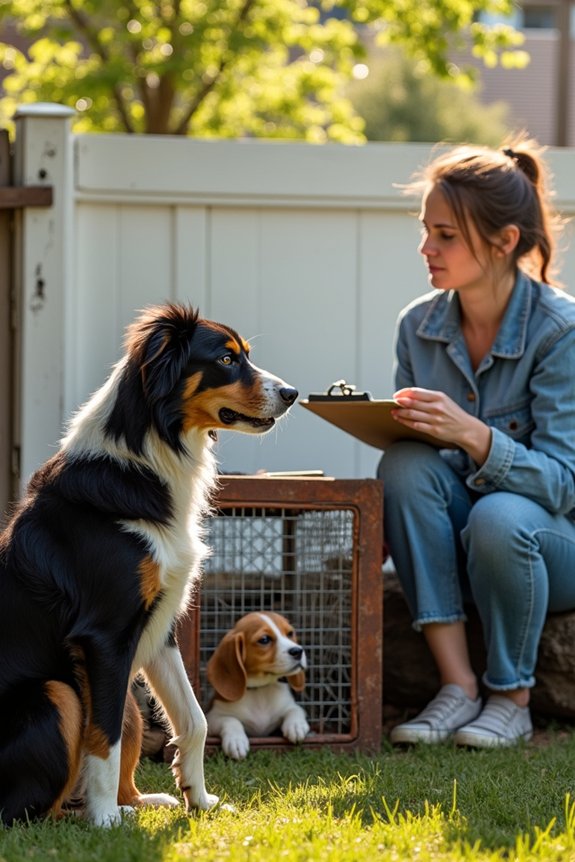
Have you considered what happens to the thousands of dogs already waiting in shelters and rescues right now?
When you adopt, you’re making responsible purchasing decisions with real impact. You’ll avoid the hidden health problems common with backyard-breeder dogs. Shelters screen behavioral traits and medical histories, so you know what you’re getting. Plus, adoption programs partner with community organizations to reach underserved neighborhoods, expanding placement opportunities for deserving dogs.
| Adoption Benefit | Backyard Breeder Risk | Responsible Breeder Alternative |
|---|---|---|
| Health screenings included | Unknown parental genetics | Documented health testing |
| Behavioral assessment | Unpredictable temperament | Temperament guarantees |
| Support network access | No resources provided | Breeder guidance available |
| Reduces shelter overcrowding | Increases stray intakes | Supports ethical practices |
| Lower costs | Hidden expenses emerge | Higher upfront investment |
Adoption directly reduces demand for backyard breeders while helping shelter dogs find homes. You’re not just getting a companion—you’re supporting animal welfare efforts.
Reporting Backyard Breeders: Resources and Next Steps
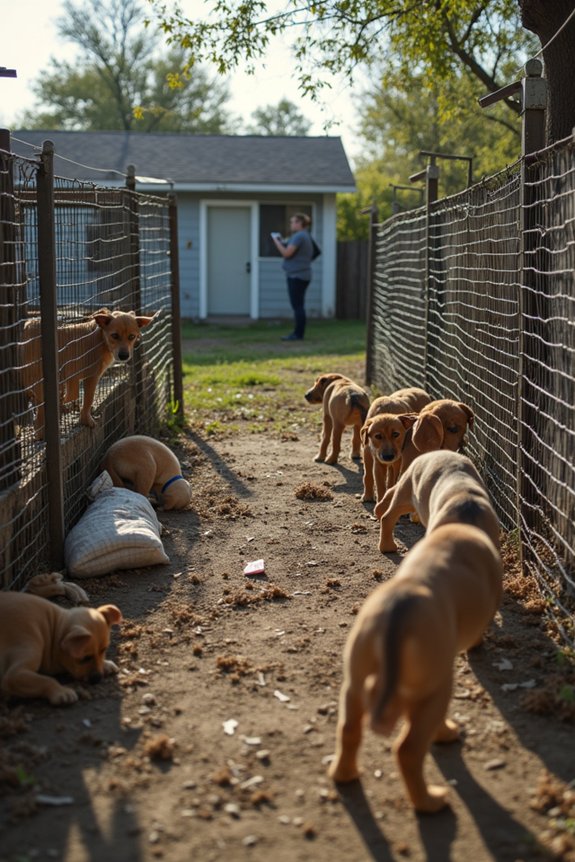
If you’ve spotted a backyard breeder operating in your neighborhood, you’re not powerless—there’s actually a lot you can do about it.
Start by documenting red flags like missing health clearances, sketchy meet-up locations, or lack of pre-screening questions. Then contact your local animal control, municipal code enforcement, or police—they can issue warnings or fines for illegal breeding.
Document red flags like missing health clearances and sketchy locations, then report to local animal control, code enforcement, or police for action.
Here’s where you can turn:
- Local animal control and code enforcement offices
- Nonprofit animal welfare groups and shelters tracking suspected breeders
- Online marketplace platforms where you report suspect listings
Many jurisdictions require breeding licenses. Reporting unregistered operations helps authorities crack down. Animal shelters often guide you through documentation and can amplify your concerns. You’re becoming an advocate for responsible breeding standards in your community.