
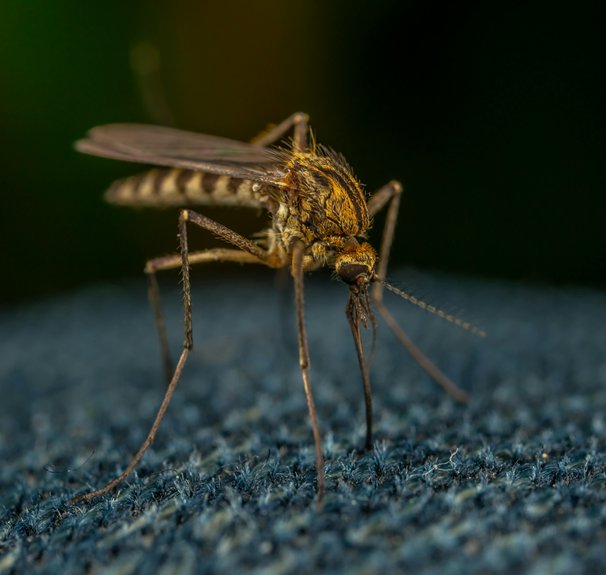
Start by eliminating standing water—check old tires, plant saucers, bird baths, and clogged gutters where mosquitoes breed. Empty anything collecting water, or treat persistent spots with Bti larvicide every two weeks.
Next, mow your lawn bi-weekly, trim vegetation to improve airflow, and seal any holes in window screens.
Spray vegetation with pyrethroid-based products at dusk when mosquitoes rest.
Schedule outdoor time away from dawn and dusk.
If these steps don’t work, a licensed professional can create a comprehensive plan tailored to your situation.
Eliminate Standing Water Sources in Your Yard

they need water to reproduce, and they’re not picky about where they find it. Standing water in my yard is basically a mosquito maternity ward. I now regularly inspect for water-holding culprits like old tires, buckets, plant saucers, and tarps. These items get emptied or removed immediately.
I’ve also tackled trickier spots. My bird bath gets fresh water at least weekly—no exceptions. Low areas that hold water longer than three days get filled or leveled. For persistent depressions I can’t easily drain, I’ve started using larval control products to prevent mosquito development before it starts.
Trimming fallen fronds from my areca palm eliminated those hidden water pockets too. These simple habits have noticeably reduced mosquito populations around my space.
Inspect Breeding Spots for Mosquito Larvae
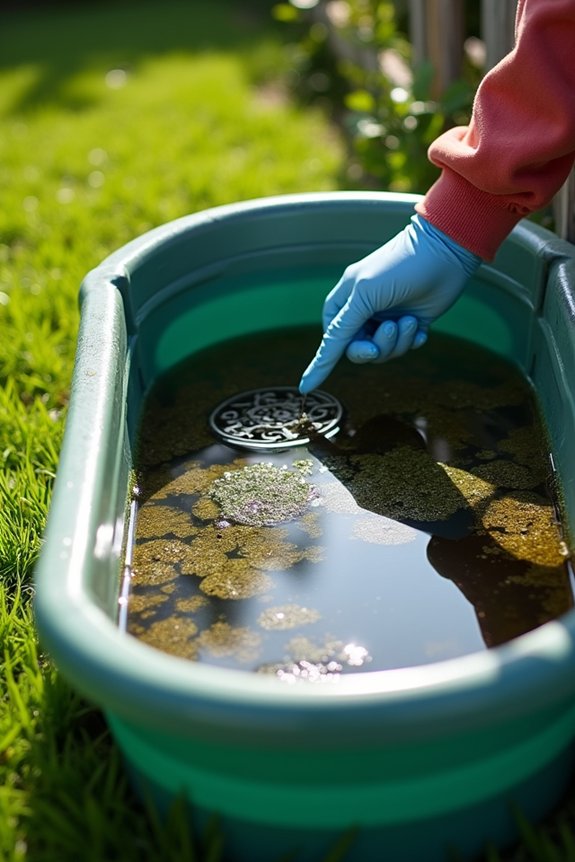
Now that you’ve tackled standing water, mosquitoes will breed in places you’d never think to check, from old tires and plant saucers to tree holes and clogged gutters. Systematically inspect your yard’s common breeding grounds: containers of any kind, natural depressions that collect rainwater, and decorative features like bird baths and fountains that serve as mosquito nurseries. Once you’ve identified these vulnerable spots, take targeted action—covering rain barrels, emptying unused containers, and filling tree holes with sand or foam to cut off the mosquitoes’ breeding cycle before it starts.
Common Breeding Ground Locations
Where exactly are mosquitoes laying their eggs in your yard? Standing water is the real culprit here. These breeding grounds are hiding in plain sight around most properties.
Common spots where mosquitoes breed:
- Old tires and plant saucers collecting rainwater
- Buckets, toys, and pools left unattended
- Birdbaths and trash containers with standing water
- Clogged gutters trapping moisture
- Tree holes and rain barrels that aren’t properly sealed
Check areca palms too—their fallen fronds create perfect water-holding canoes for larvae. Eliminating standing water within three days breaks the breeding cycle. Fill low spots in your yard, cover containers, and drain anything holding water. This approach tackles the problem at its source before mosquitoes mature into adults.
Water-Holding Container Inspection
Once you’ve identified where mosquitoes might be breeding, conduct a thorough inspection of every water-holding container on your property. Walk around your yard systematically. Check old tires, bird baths, plant pot saucers, tarps, and any containers collecting standing water. Grab a notebook and mark problem spots as you go.
Mosquitoes require very little water to breed. A bottle cap of water can shelter larvae. Drain anything you’re not actively using, remove unnecessary items, or cover them up. For containers you want to keep—like bird baths—empty and refill them weekly to interrupt the mosquito life cycle.
This inspection habit protects your whole neighborhood.
Natural Habitat Vulnerability Assessment
Beyond the obvious containers sitting in plain sight, you’ll want to look harder at your yard’s hidden corners where mosquitoes actually thrive. These breeding grounds hide in places you probably haven’t considered yet. Here’s where I focus my inspections:
- Tree holes and hollow stumps collecting rainwater
- Clogged gutters that hold stagnant water for days
- Low spots in your lawn that puddle after rain
- Dense vegetation and yard waste piles offering shade
- Unused outdoor furniture, tarps, or stored items trapping moisture
I check under areca palms and similar plants where water settles. Even small amounts matter—mosquitoes breed in very tiny pools. Look for areas staying wet longer than three days. Dense shade combined with moisture creates the ideal breeding ground. When you find these spots, you’re finding where mosquitoes multiply.
Apply Larval Control Products to Stubborn Water
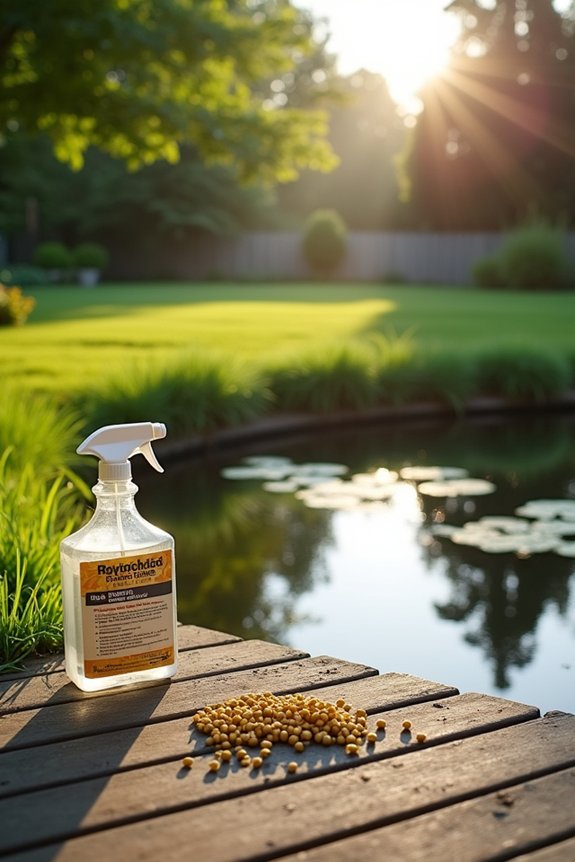
If you’ve got standing water that won’t budge, I’d reach for either Bti (those donut or granule products that are eco-friendly) or methoprene, an insect growth regulator that works well in artificial ponds and uncovered barrels. The key thing here is checking your product’s label first—it’ll tell you exactly which water sources you can treat and how to apply it correctly. After you’ve applied whichever product you choose, keep an eye on that water for any new larvae showing up, and only retreat if the label says it’s okay to do so.
Product Types And Options
What’s the best way to tackle those stubborn puddles and containers where mosquitoes keep breeding? I’ve found two reliable options that really work:
- Bti (Bacillus thuringiensis israelensis) — an eco-friendly larvicide available as donuts or granules
- Methoprene — an insect growth regulator offering longer-lasting protection
- Donuts — float in water and dissolve gradually over weeks
- Granules — settle into standing water for steady release
- Label instructions — vary by water type, so always read them first
I prefer Bti for my birdbaths and rain barrels since it won’t harm beneficial insects. Methoprene works better in artificial ponds where I need extended coverage. Both products kill larvae before they become adult mosquitoes. The key is matching the right product to your specific water source and following dosage directions carefully. This approach gives you real control without harsh chemicals.
Application Methods And Timing
Now that you’ve identified which water sources need treatment, it’s time to apply those larval control products correctly. I recommend choosing Bti donuts for bird baths or granules for larger areas, following the package directions exactly. Timing matters—apply larvicides every two weeks or as the label suggests, since mosquitoes breed quickly. For water management in stubborn spots like rarely used ponds, methoprene offers extended activity, meaning fewer applications overall. Don’t treat drinking water sources. I find it helpful to mark my calendar so I don’t skip treatments. The key is consistency; skipping even one application can let larvae bounce back fast. Paired with draining containers regularly, these products work.
Cut Grass and Clear Yard Clutter

One of the simplest ways to discourage mosquitoes from hanging around your yard is keeping your grass trimmed short—ideally under 2 inches. Here’s why this matters for effective mosquito control:
- Short grass reduces moisture retention and eliminates resting spots
- Well-mowed lawns improve airflow and speed water evaporation
- Trimmed shrubs remove shaded, humid areas where mosquitoes rest during hot days
- Thinning vegetation around yard edges reduces cool zones supporting mosquito activity
- Clearing debris like old tires, plant saucers, and containers eliminates breeding sites
Your yard cleanup efforts directly impact mosquito populations. When you remove clutter and overgrown vegetation, you’re eliminating the exact environments these insects need to survive. Combining regular mowing with thorough yard cleanup creates an unwelcoming space for mosquitoes, giving you back your outdoor time.
Seal Screens and Block Mosquito Entry Points
You’ll want to start by inspecting all your window and door screens for holes or tears—even tiny gaps let mosquitoes slip right through. Seal any openings around doors and under entryways with weather stripping or door sweeps, and don’t forget to check vents, attic openings, and crawlspaces with fine-mesh screens that’ll block mosquitoes from finding shelter indoors. I’d recommend doing a thorough screen check at least once a year to keep your home’s defenses solid against these pests.
Inspect And Repair Screens
Your home’s first line of defense against mosquitoes comes down to intact screens and sealed entry points. I’ve found that regular inspections save me from unwanted indoor visitors.
Here’s what I check:
- Examine all exterior screens for holes and tears monthly
- Use sealant or weather-stripping around doors and windows
- Test screened porches for damage after storms
- Inspect under-sink areas and laundry rooms for gaps
- Repair or replace damaged screens immediately
I walk around my house systematically, looking for worn spots where mosquitoes could slip through. Even tiny tears become entry highways for these pests. After heavy winds or bad weather, I do extra checks since that’s when damage happens. It’s straightforward work that keeps my family comfortable without constant bug battles inside.
Install Protective Barriers
How do protective barriers actually stop mosquitoes from getting inside? They’re your first line of defense in mosquito control. I’ve found that screened porches create dedicated mosquito-free zones where you can relax without constant swatting. Keep doors closed whenever possible, and use weather stripping around frames to seal gaps where mosquitoes slip through. For windows, check that screens have no holes—even tiny tears let them enter. Consider installing self-closing door mechanisms on frequently used entrances. These protective barriers work together, blocking mosquitoes before they reach your living space. You’re creating a fortress that keeps your family comfortable outdoors. It’s straightforward and effective.
Use Outdoor Fans to Weaken Mosquitoes

Positioning a fan strategically around your patio or seating area is one of the simplest ways to make mosquitoes’ job much harder. These pesky insects can’t fly well in moving air, so they’ll struggle to land on you or nearby surfaces.
Here’s what you need to know about using outdoor fans:
- High-output fans create stronger breezes that effectively disrupt mosquito flight patterns
- Place fans away from water sources to avoid drawing insects toward mist
- Moving air accelerates drying of moist areas where mosquitoes rest
- Evening outdoor activities become more comfortable with strategic fan placement
- Combine fans with other methods like repellents for better results
Fans work best when you’re also eliminating standing water and using barriers. Think of outdoor fans as your first line of defense—they’re affordable, energy-efficient, and effective.
Protect Yourself With Epa-Registered Repellent
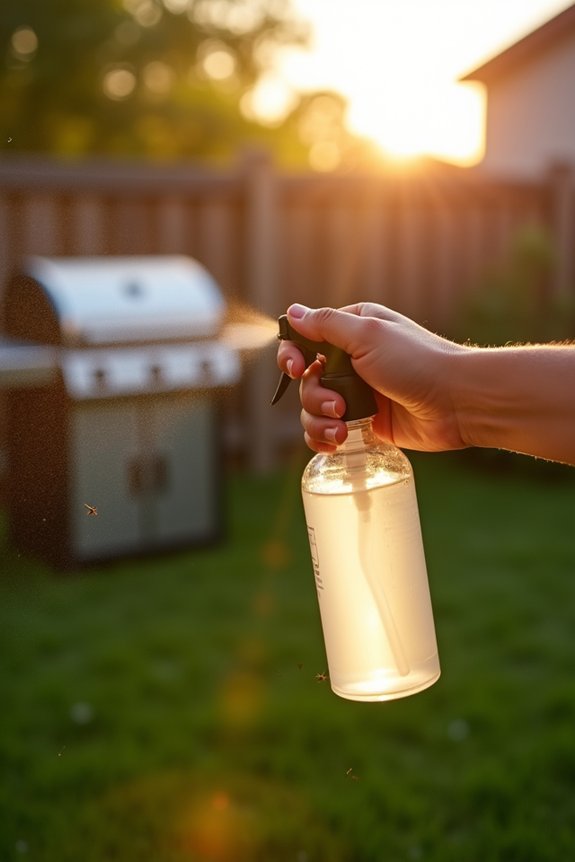
While outdoor fans do a great job of keeping mosquitoes at bay, they won’t stop the ones that do land on you—so you need a good repellent too. I always reach for EPA-registered insect repellents containing DEET, picaridin, IR3535, or oil of lemon eucalyptus. These work effectively. Apply your repellent last, after sunscreen or lotion, and reapply according to the product label. In hot, humid conditions or after sweating, you’ll need to reapply more frequently. I also treat my clothing and gear with permethrin beforehand to add extra protection. Wearing long, loose, light-colored clothing creates another barrier against bites. Combining personal repellents with screens and yard maintenance gives you the best defense against mosquitoes.
Treat Clothing and Gear With Permethrin

Beyond applying repellent to your skin, you can add an extra layer of mosquito defense by treating your clothes and gear. I treat my clothing with permethrin before heading outdoors, and it’s a practical strategy worth using.
Here’s what you need to know:
- Apply permethrin only to clothing, shoes, and gear—never directly on skin
- Let treated fabrics dry completely before wearing them
- Permethrin protection lasts through multiple wash cycles, providing extended defense
- Re-treat your items after several washings to maintain effectiveness
- Follow the product label instructions carefully for best results
I’ve found that pre-treating my outdoor gear requires minimal effort upfront. Once those clothes dry, you’re wearing a protective layer that actually works. It’s protection that lasts longer than topical repellent alone.
Time Outdoor Activity Away From Dusk and Dawn
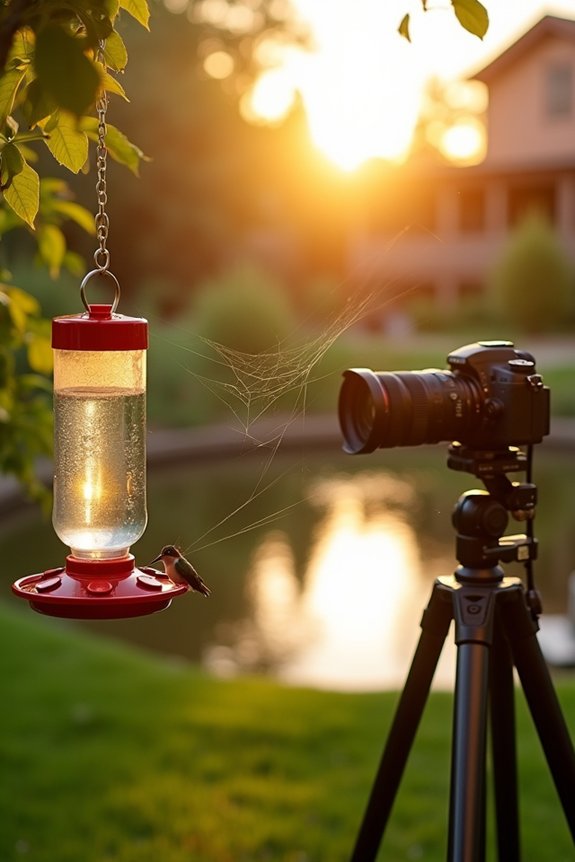
When are mosquitoes most active in your yard? Dawn and dusk, friend. That’s when crepuscular species emerge hungry and relentless. I’ve learned the hard way that planning outdoor time matters tremendously.
Here’s what I do: I schedule yard work, grilling, and family hangouts during midday or early evening instead. Peak times for mosquito activity run from roughly thirty minutes before sunset through sunrise. It’s that straightforward.
You don’t need fancy equipment or chemicals to dodge these peak times. Just shift your schedule slightly. Play with your kids at noon. Grill dinner at six instead of seven. Garden in the afternoon rather than evening.
This straightforward adjustment cuts your bite exposure dramatically without extra effort or expense.
Spray Vegetation to Kill Adult Mosquitoes
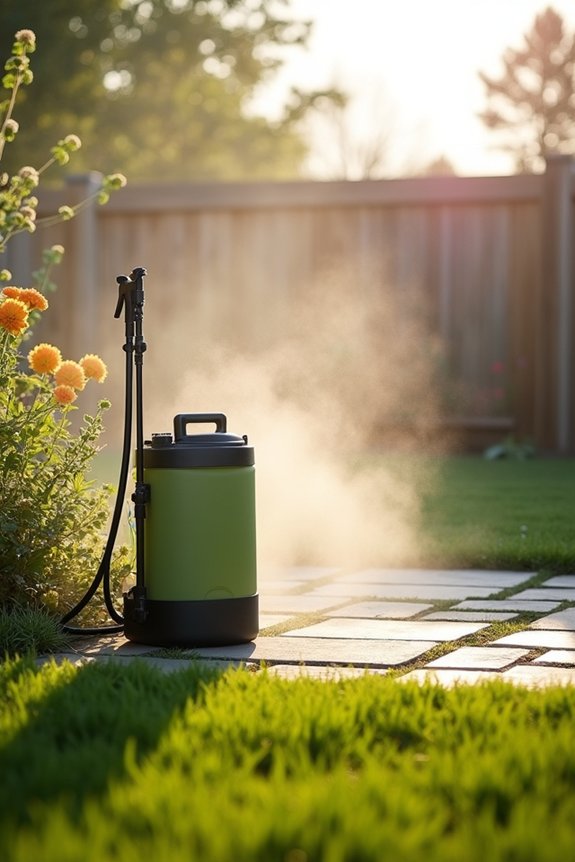
How’d you like to eliminate the mosquitoes that are already resting in your yard? I’m talking about spraying vegetation with residual outdoor control products—it works.
Here’s my approach to mosquito treatment:
- Apply pyrethroid-based formulations to foliage where mosquitoes land and rest
- Target grasses, shrubs, and low palms during dusk when they’re most active
- Spray under trees and through underbrush where they hide during the day
- Follow labeled concentration rates exactly—more product won’t improve results
- Avoid flowering plants and areas near water to protect beneficial insects
I’ve found combining blanket lawn spraying with up-spray under heavy landscaping maximizes control. You’re creating a barrier on the surfaces where mosquitoes actually rest. It’s methodical work, but the reduction in your resting adult population demonstrates the results.
When DIY Control Isn’t Working

What if you’ve sprayed everything in sight and mosquitoes still won’t leave you alone? That’s when it’s time to call in backup. A licensed professional treatment team brings specialized knowledge you simply can’t replicate solo. They’ll inspect your entire yard—those hidden spots under furniture, dense shrubs, and every standing water source where larvae control matters most. These experts use EPA-registered products and create comprehensive plans combining larvicides, residual sprays, and physical barriers tailored to your specific situation. Rather than one-off treatments, they’ll design a full strategy addressing both adult mosquitoes and breeding zones. Check your local regulations first to verify licensing requirements. It’s a worthwhile investment when persistent mosquitoes have outsmarted your DIY efforts.
How to Choose a Licensed Pest Control Professional
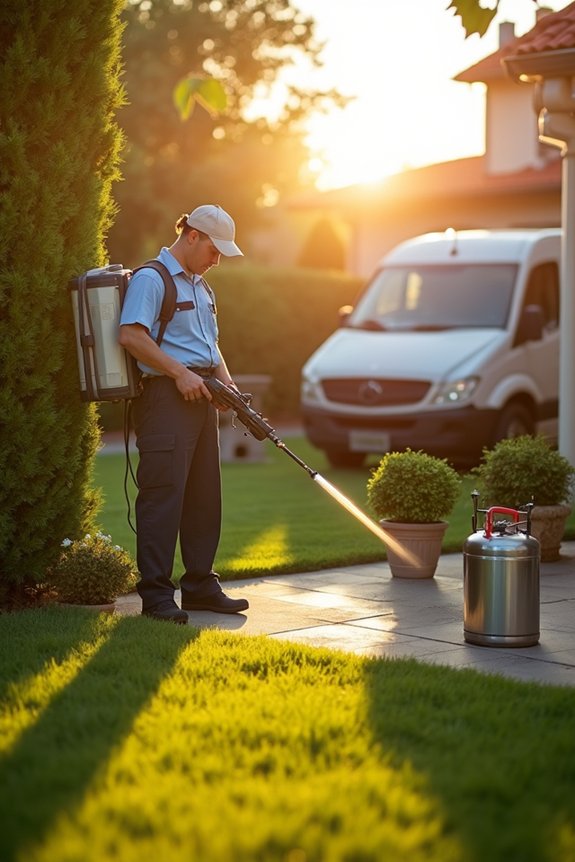
Not all pest control companies are created equal, and you’ll want to make sure you’re hiring someone who actually knows their stuff about mosquitoes.
When you’re looking for licensed pest control professionals, here’s what matters:
- Verify county licensing for Commercial Pesticide Applicator credentials specific to mosquitoes, black flies, and ticks
- Check Minnesota Department of Agriculture’s license lookup to confirm qualifications
- Confirm they use EPA-registered products and can target both adult and larval mosquitoes
- Ask for written estimates detailing coverage up to 20,000 square feet
- Request information about follow-up treatments and any service guarantees
A solid contractor will identify your property’s breeding sites, explain their treatment plan clearly, and label it as a complete mosquito plan. Don’t settle for vague promises. Get specifics in writing, and you’ll have confidence knowing professionals are handling your backyard problem.
Consider Additional Prevention Strategies Year-Round

Once you’ve got a professional handling the burdensome work, here’s the truth: you’ve got work to do. You’re part of our community now—the folks committed to keeping mosquitoes out. Start by eliminating standing water sources like planters, birdbaths, and saucers. Clean your septic and rainwater systems regularly. Trim vegetation short, mow your lawn, and thin dense landscaping to improve airflow and reduce moisture.
| Prevention Method | Frequency | Why It Matters |
|---|---|---|
| Remove standing water | Weekly | Stops breeding cycles |
| Mow lawn | Bi-weekly | Reduces resting spots |
| Apply Bti larvicides | Per label | Kills larvae safely |
| Trim vegetation | Monthly | Improves air circulation |
| Clean gutters | Seasonally | Prevents water pooling |
Install screens and use outdoor fans—mosquitoes are weak fliers.