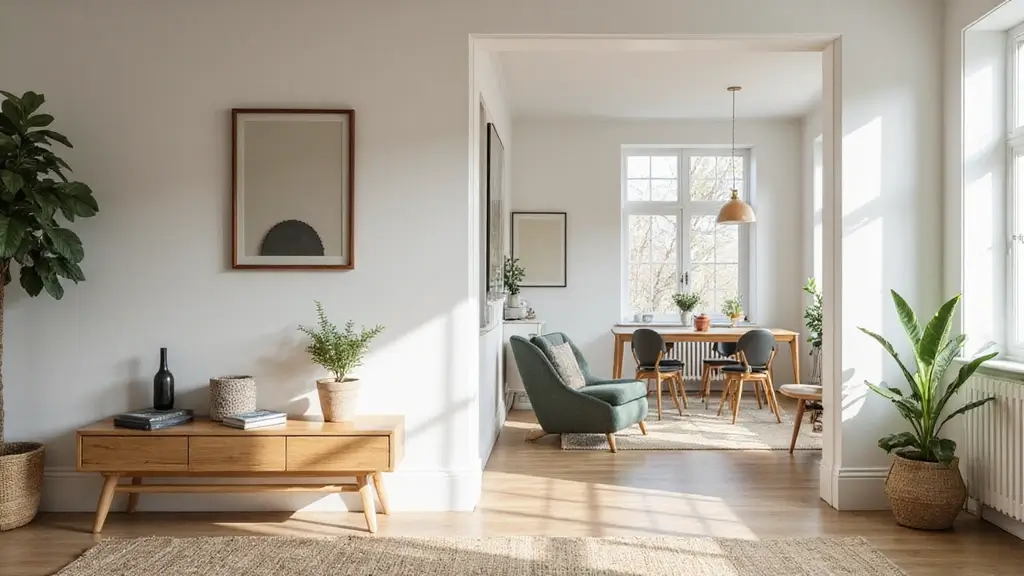
Creating an open entryway can transform your home, enhancing both functionality and aesthetic appeal.
These spaces serve as the welcoming bridge between rooms and can set the tone for your entire home.
Minimalist designs, in particular, provide a clean, airy feel, allowing natural light to flow and making transitions smoother.
From clever storage solutions to stylish decor, let’s explore some of the most exciting open entryway ideas that truly merge spaces seamlessly.
1. Embrace a Neutral Palette

A neutral color scheme is a classic choice for open entryways.
Shades of white, beige, and soft greys create a calming atmosphere and encourage light to bounce around, making spaces feel larger.
For an inviting look, consider layering textures—think a woven rug paired with a sleek console table.
This palette not only enhances light but also allows you to incorporate various decorative elements without clashing. A few highlights include:
– Use various materials like wood, metal, and fabric for depth.
– Incorporate greenery with potted plants to add a splash of color.
– Keep decor minimal with just a few well-placed pieces, like a stylish mirror or a sculptural vase.
A neutral palette isn’t just stylish; it creates an inviting entryway that feels expansive and serene. Layering textures in soft hues invites warmth and charm into your home!
2. Create a Functional Mudroom Effect
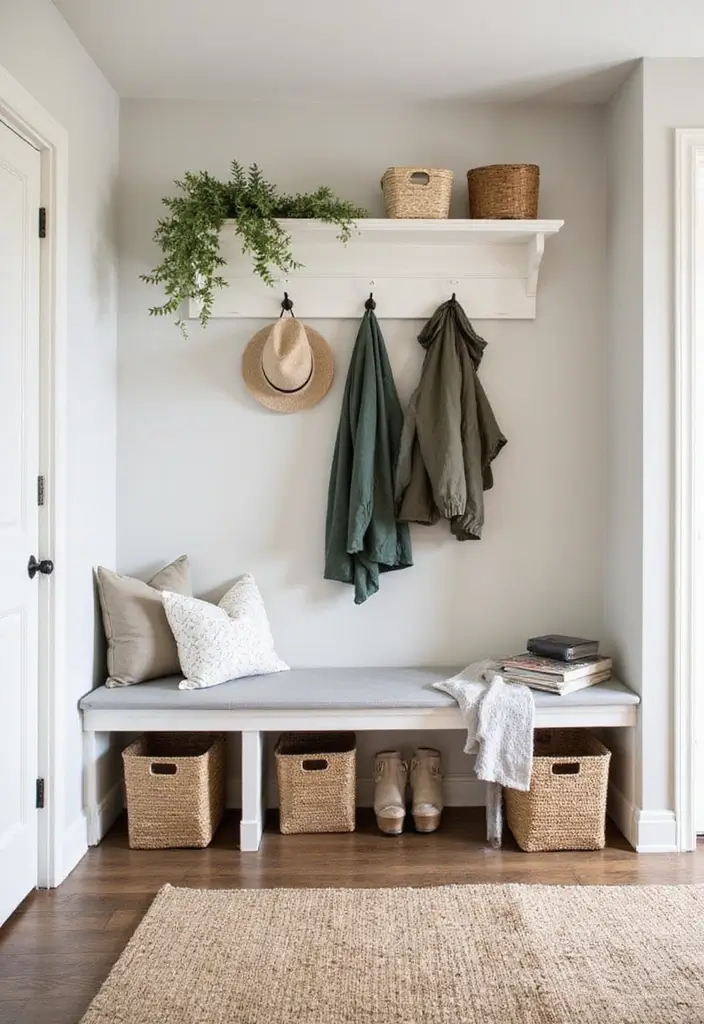
If your entryway is a high-traffic area, why not borrow some ideas from mudroom designs?
Incorporate hooks for coats, a bench for sitting, and baskets for storing shoes and bags.
This approach keeps everything organized and maintains a minimalist look.
Choose furniture that matches the overall decor style—maybe a simple wooden bench or chic metal hooks. Some tips to consider:
– Opt for modular storage solutions that can be adjusted as your needs change.
– Use a durable rug to manage dirt and mud—easy to clean and maintain!
– Keep it light and airy by using open shelving instead of closed cabinets.
3. Open Shelving for Display and Storage
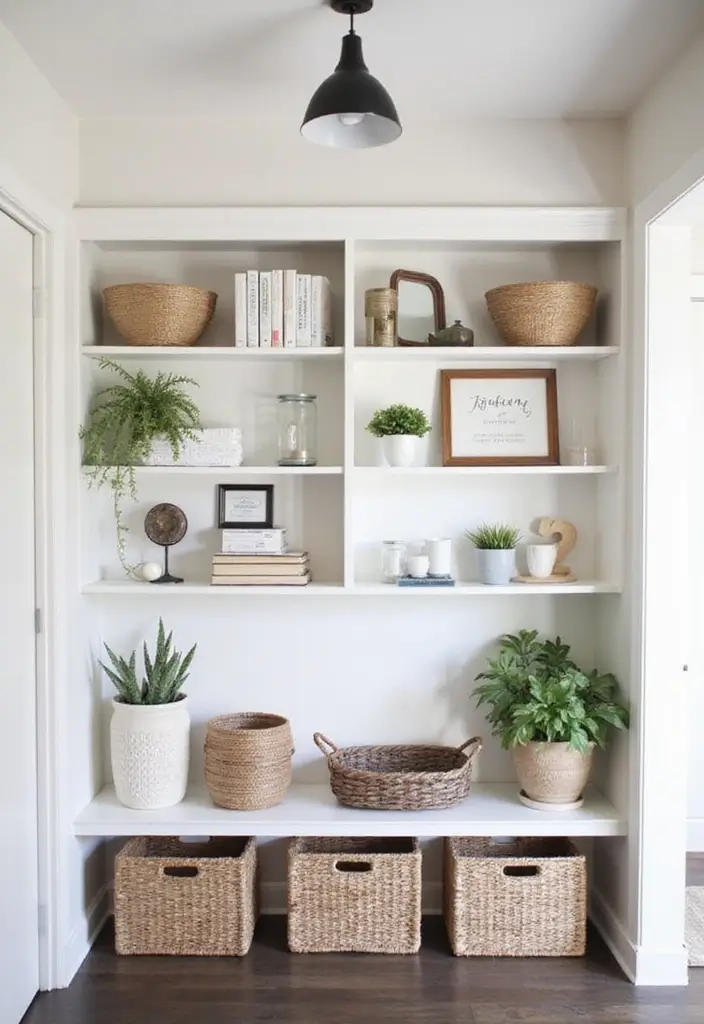
Open shelving serves as both storage and display space, making it an ideal choice for entryways.
Select beautiful baskets or decorative boxes to store small items, while letting art pieces or books shine on shelves above.
This method not only maximizes vertical space but also creates visual interest. When designing your open shelving:
– Mix and match items for an eclectic yet curated look.
– Consider placing items in groups of three for a balanced design.
– Use shelves made of natural materials for a warm touch.
4. Use Mirrors to Expand Space
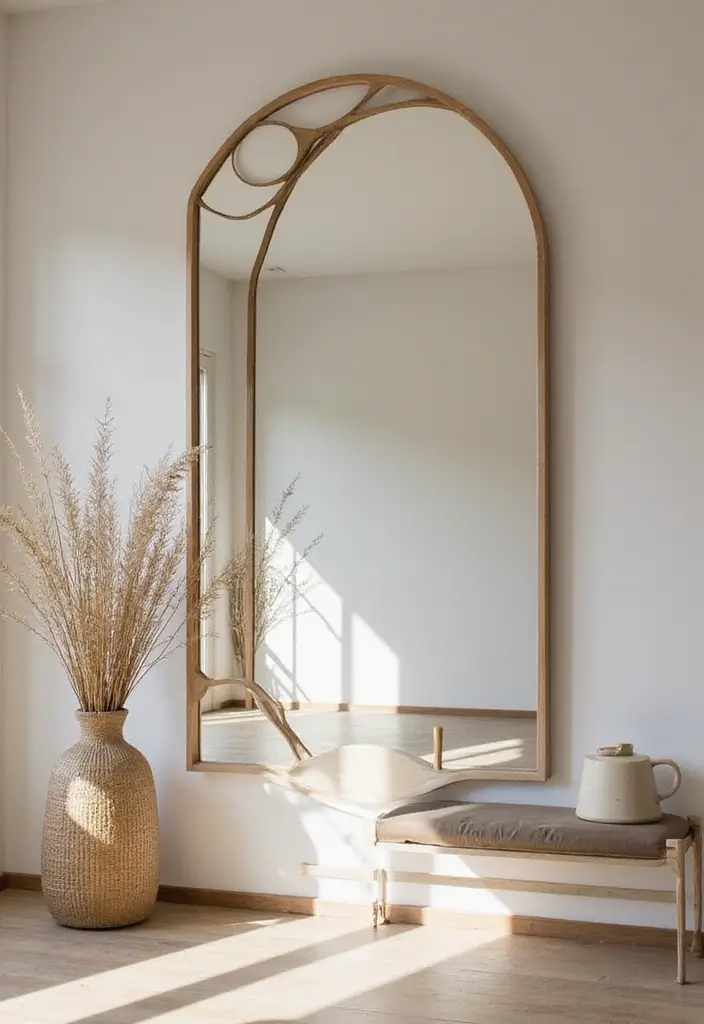
Mirrors are an excellent addition to any entryway as they can create the illusion of more space.
A well-placed mirror not only reflects light but can also serve as a functional piece when getting ready to leave the house.
Choose a large statement piece or a series of smaller mirrors for a gallery-style effect. To maximize their impact:
– Hang mirrors across from windows to bounce natural light around.
– Frame mirrors in natural wood or simple metal for that minimalist touch.
– Consider a mirror with built-in hooks to save space.
5. Transition with Flooring
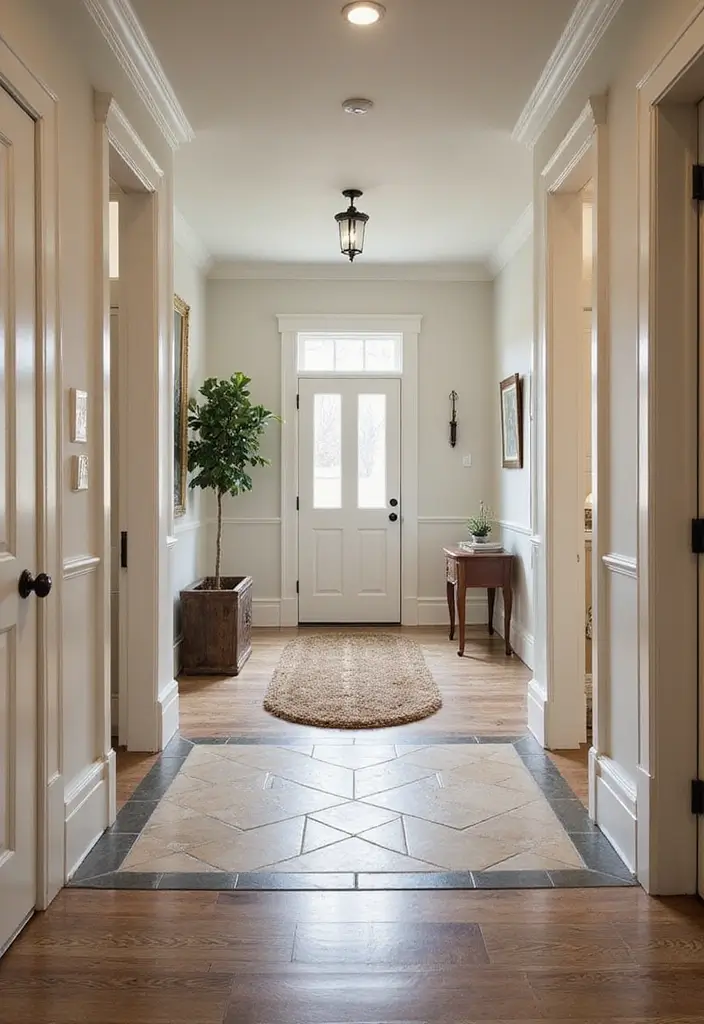
Utilizing different types of flooring can help define spaces in an open entryway.
Consider a change in material or color to seamlessly guide guests from one room to another.
For instance, a sleek tile leading into warm hardwood can create a distinct transition. Key points to keep in mind:
– Use rugs to add warmth while marking the entryway.
– Choose durable materials for high-traffic areas.
– Ensure the color palette flows from room to room for cohesion.
Transform your open entryway with a seamless flooring transition – it’s like a gentle handshake between rooms! Use material changes and cozy rugs to define spaces while keeping your color palette flowing.
6. Light It Up
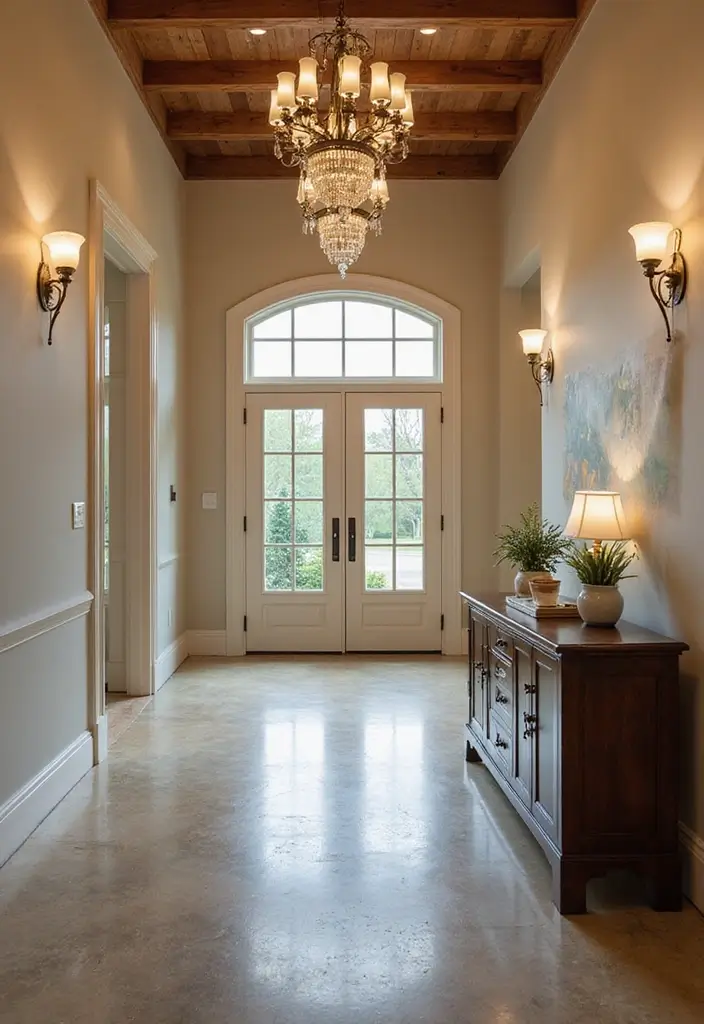
Lighting plays a crucial role in welcoming guests into your home.
Consider pendant lights or wall sconces to add character without overwhelming the space.
Natural light is always best, so opt for sheer curtains or leave windows unobscured when possible. Here are some effective lighting tips:
– Use multiple light sources at different heights for a layered effect.
– Include a small table lamp for a cozy ambiance in the evenings.
– Choose fixtures that reflect your style, whether modern, rustic, or industrial.
Lighting isn’t just about brightness; it’s about creating a warm welcome. Layer your lights and let natural light flow to transform your open entryway into a stunning first impression!
7. Minimalist Art Displays
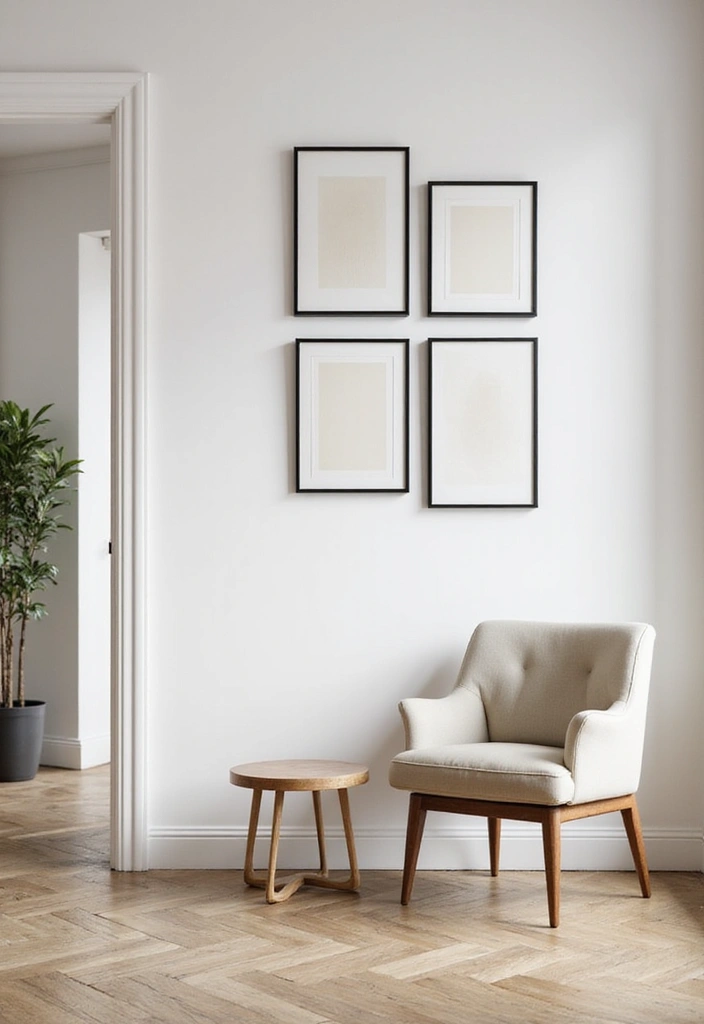
Art can add personality to your entryway without cluttering the space.
Select a few carefully curated pieces that resonate with your style.
Gallery walls can work wonders, particularly if you keep the frames simple and the art cohesive. Consider these ideas for your art display:
– Use large-scale art for a bold statement or smaller pieces for an eclectic vibe.
– Maintain a balance between your art and other decor to avoid overwhelming the space.
– Opt for frames in a single color for a streamlined look.
8. Integrate Technology Seamlessly
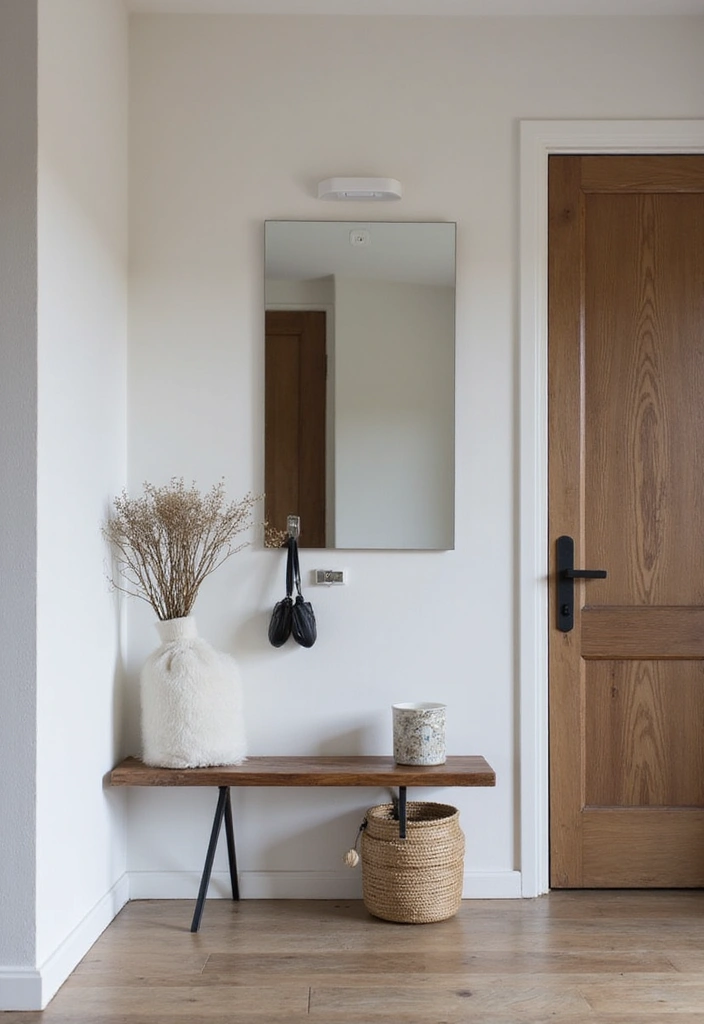
Embracing technology in your entryway can elevate your home’s functionality without clutter.
Smart home devices, like keyless entry systems or smart lighting, can be stylishly integrated into your design.
Consider smart mirrors that can display the weather or news as you prepare to head out. Here are a few technology tips:
– Choose devices that blend well with your decor style.
– Hide wires and cables to maintain a clean appearance.
– Make sure to have easy access to charging stations for your devices.
9. Greenery for Freshness
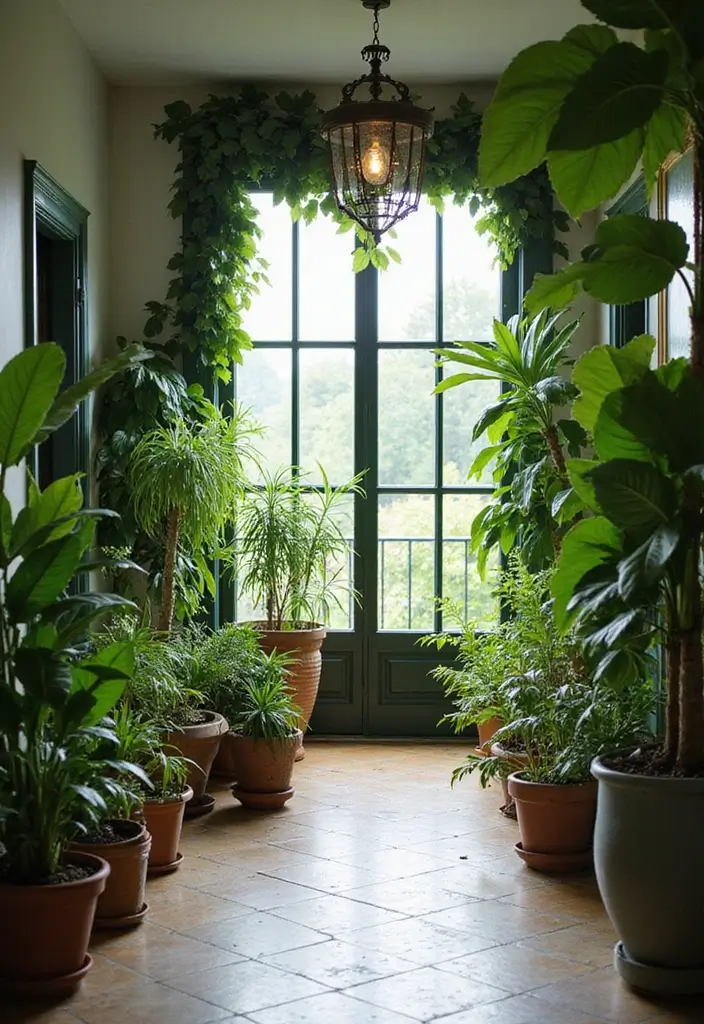
Plants bring life to any space, making them a perfect addition to open entryways.
Opt for low-maintenance plants like succulents or snake plants if you’re not a green thumb.
Larger plants can act as natural dividers between your entryway and adjoining rooms. A few tips for using plants effectively include:
– Group different heights and textures for visual interest.
– Use beautiful pots that complement your decor style.
– Consider placement near natural light sources for healthier plants.
10. Stylish Seating Solutions
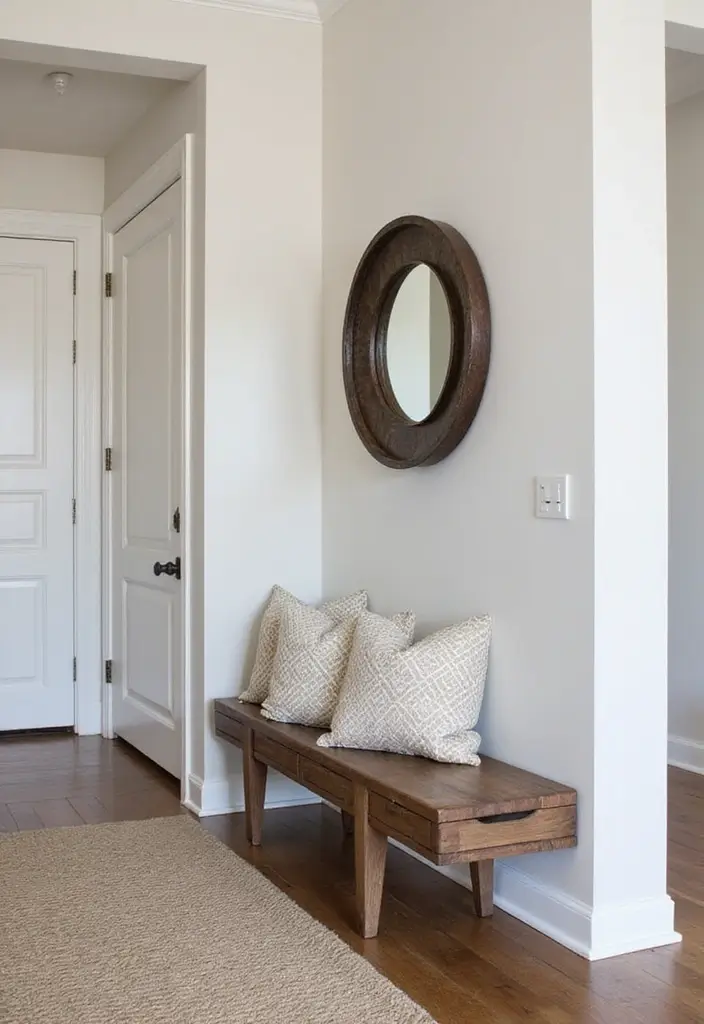
Including seating in your entryway enhances its functionality, creating a place to sit while you put on shoes or wait for guests.
Consider a slim bench or a couple of stylish stools that can be tucked away when not in use. Here are some considerations for seating:
– Choose pieces that match your overall decor style for cohesion.
– Opt for lightweight designs for easy rearrangement.
– Incorporate cushions for added comfort while maintaining a minimalist look.
11. Use Color Strategically
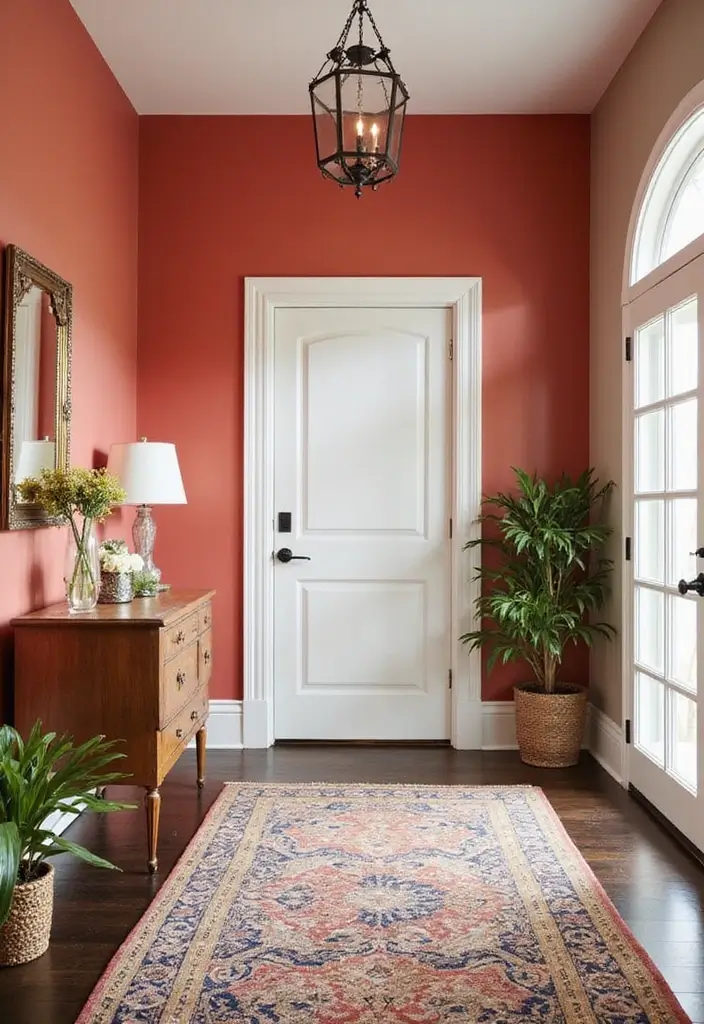
Incorporating color can be a bold way to define your entryway and create a warm welcome.
Consider an accent wall painted in a rich hue or use colorful accessories like rugs and artworks.
By doing this, you can set the mood for the rest of your home. Tips to effectively use color include:
– Keep larger areas neutral and add color through smaller accents.
– Use color to draw attention to specific features, like a mirror or artwork.
– Balance bold colors with softer tones for a harmonious look.
12. Declutter with Storage Solutions
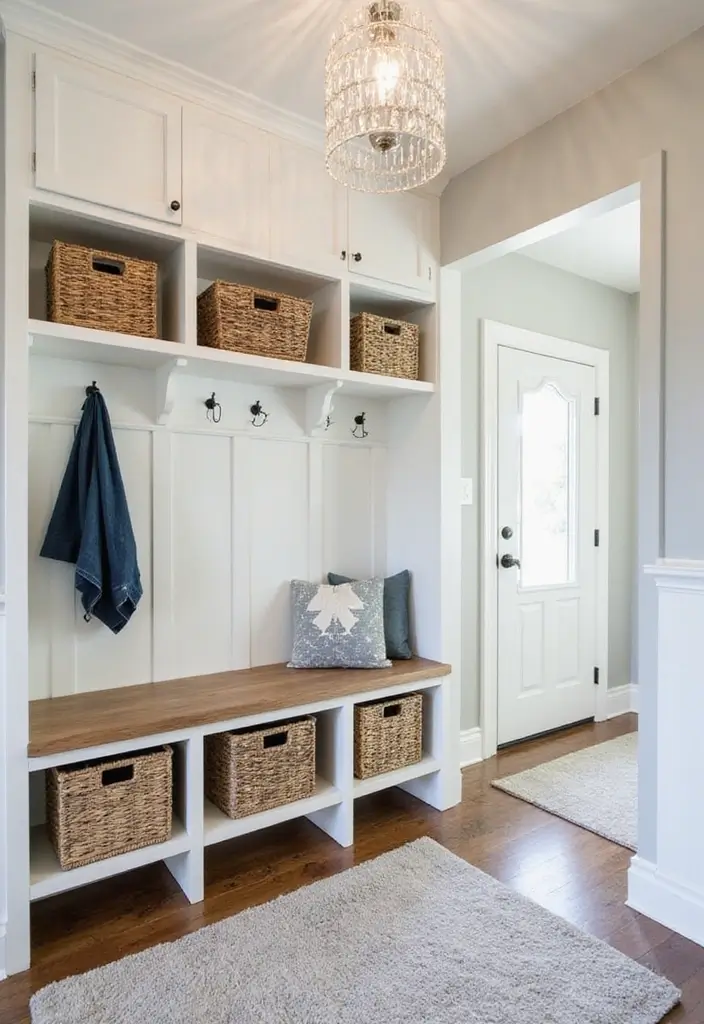
Keeping your entryway organized is essential to maintaining a minimalist design.
Invest in smart storage options like built-in cabinets or stylish baskets that hide away everyday items.
This way, you keep the look clean while ensuring everything has its place. Some storage ideas include:
– Use multi-functional furniture, such as benches with hidden compartments.
– Choose open storage for frequently used items and closed storage for others.
– Keep surfaces clear by regularly decluttering.
13. Incorporate Personal Touches
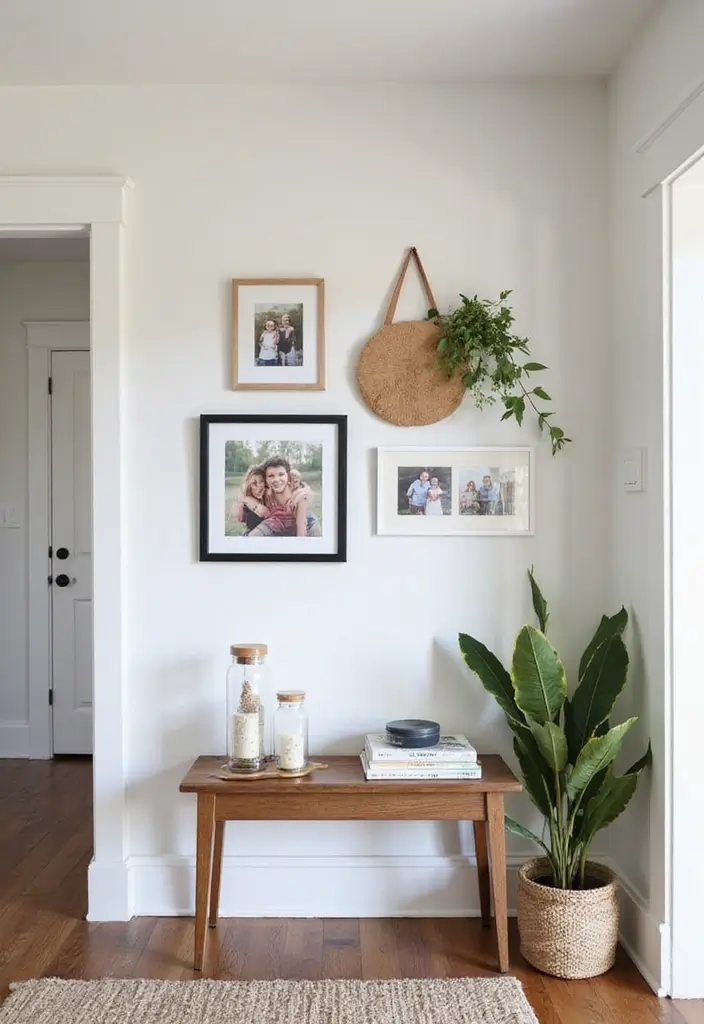
Personal touches make an entryway feel more like home.
Incorporate family photos, travel souvenirs, or handmade art pieces into your decor.
However, keep it minimal; too many personal items can create a chaotic look. Here are some tips to do this effectively:
– Rotate personal items seasonally to keep things fresh.
– Use cohesive frames or display methods for a unified look.
– Balance personal touches with functional decor to prevent clutter.
14. Set the Mood with Scent
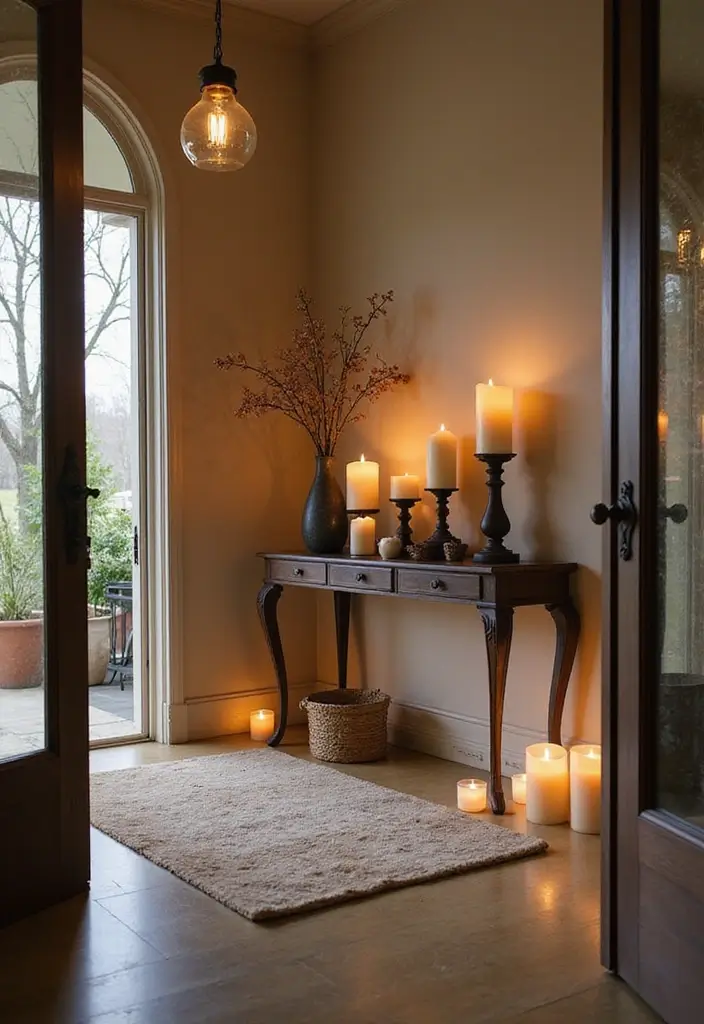
A welcoming entryway is not just about visuals; scent plays a significant role too.
Consider using candles or diffusers with subtle fragrances that match your home’s vibe.
This creates a multi-sensory experience, making guests feel at home right away. Tips for incorporating scent include:
– Opt for calming scents like lavender or eucalyptus in the entryway.
– Use stylish vessels that fit your decor instead of traditional diffusers.
– Rotate scents with the seasons for a refreshing change.
A warm scent is like a welcoming hug—set the mood in your entryway with calming fragrances that instantly make guests feel at home. Don’t underestimate the power of aroma in your open entryway ideas!
15. Combine Textures
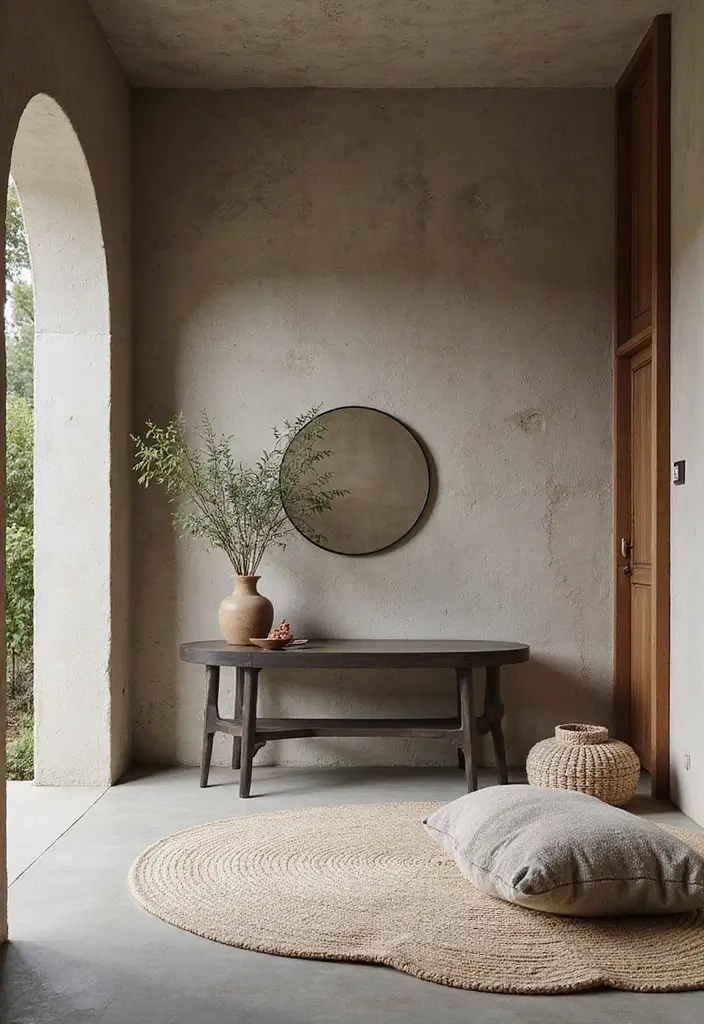
Mixing different textures in your entryway can create depth and visual interest.
Pair smooth surfaces with rougher elements—like a sleek console table against a brick wall—to create contrast.
Play with materials such as wood, metal, and textiles to craft a more inviting space. Consider these tips:
– Use textured rugs to introduce comfort and warmth.
– Opt for cushions that add softness to benches or chairs.
– Incorporate a variety of materials to keep the look cohesive but not monotonous.
16. Layered Lighting Techniques
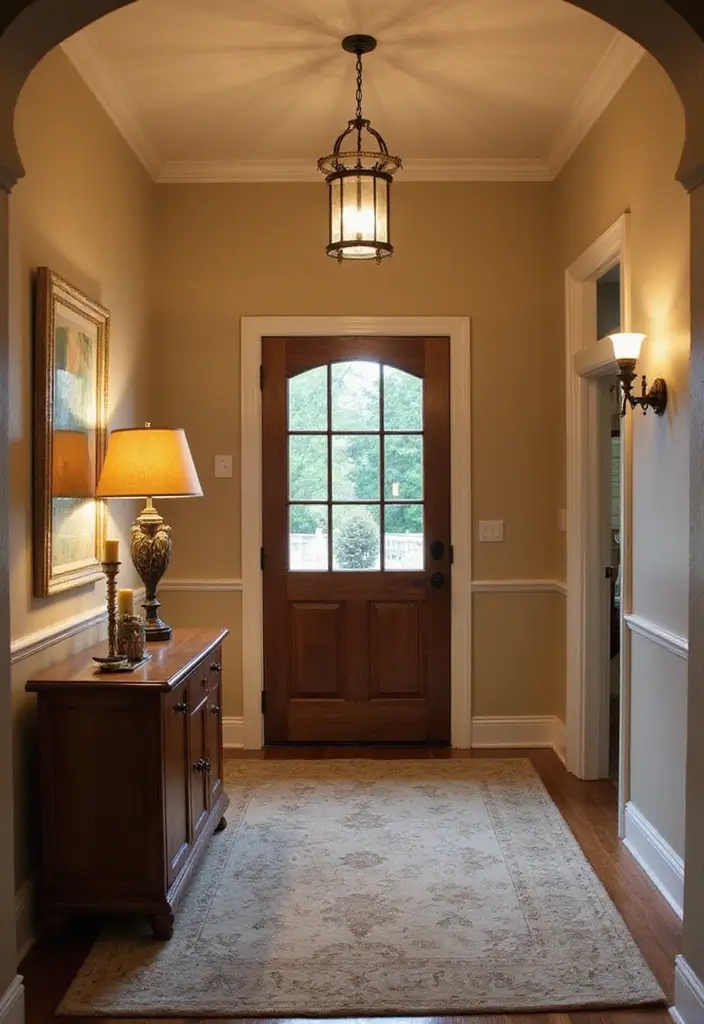
Creating interesting lighting layers can bring your entryway to life.
Instead of relying solely on one overhead fixture, consider the use of table lamps, wall sconces, and even candles for warmth.
Layered lighting enhances the ambiance and offers flexibility in how you illuminate the space. Here are a few ideas to layer effectively:
– Choose a statement pendant for general lighting and accent it with smaller lights for focal points.
– Use dimmable options to adjust the mood according to the time of day.
– Consider adding battery-operated candles for a soft glow without the hassle of electric power.
17. Aim for Cohesion with Open Design
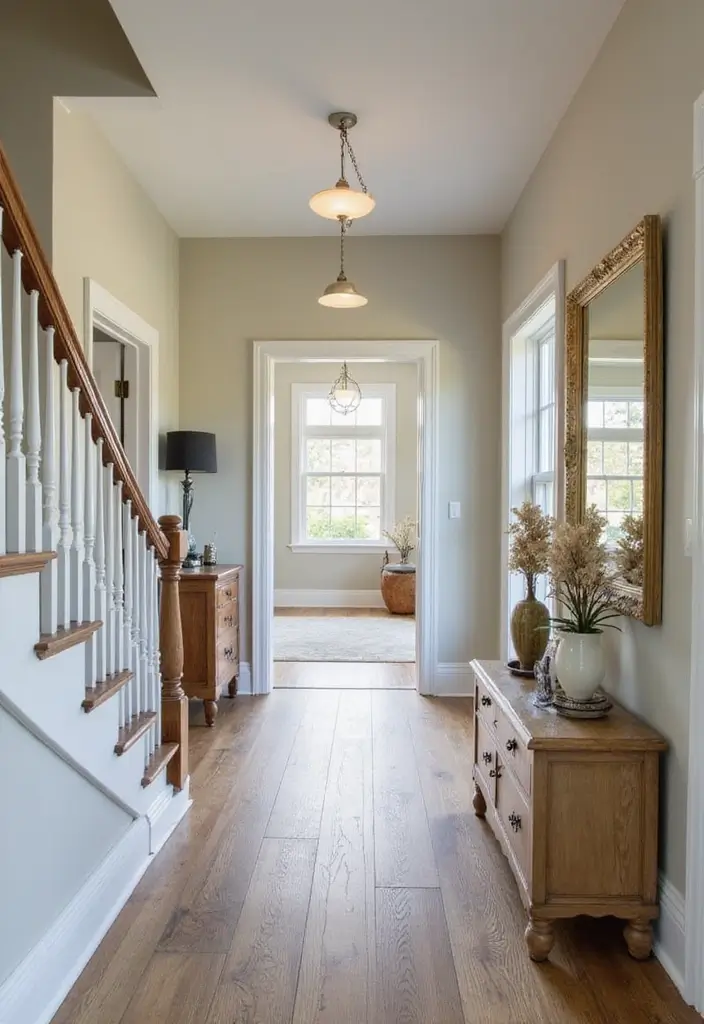
An open entryway design should aim for cohesion with the adjoining spaces.
Select colors and materials that flow seamlessly into the next room, creating a harmonious transition.
This not only gives an illusion of space but also connects different areas of your home. Tips for achieving cohesion include:
– Use the same flooring type in both spaces for consistency.
– Limit contrasting colors and stick to a unified palette.
– Choose similar furniture styles to tie everything together.
18. Create a Welcome Area
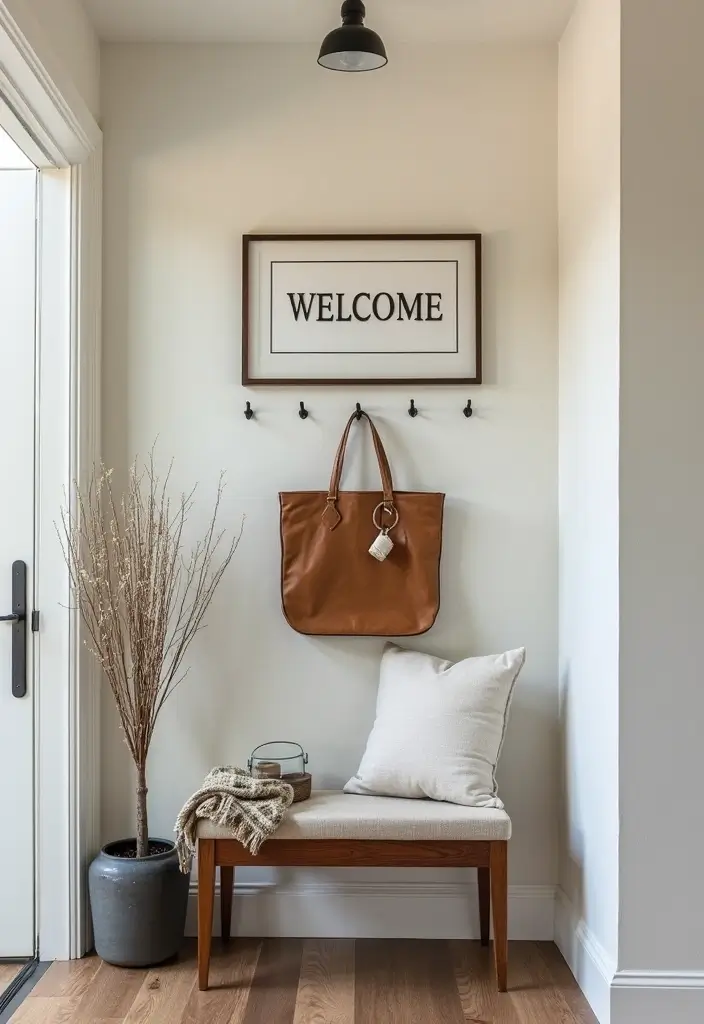
A welcome area can enhance your entryway’s functionality by designating a specific spot for keys, mail, and essentials.
Use a stylish tray on a console table to collect smaller items or install a small wall-mounted shelf for added convenience.
This keeps things organized while ensuring your entryway remains minimalist. Helpful hints include:
– Use a decorative box for clutter-free organization of small items.
– Consider a chalkboard or whiteboard for quick notes and reminders.
– Keep the area visually appealing with matching decor items.
19. Divide with Plants or Screens

If you have an expansive entryway, consider using plants or decorative screens to create a sense of division without closing off the space.
This can help delineate between the entry and other living areas while maintaining an open feel. Some easy ways to do this are:
– Use tall plants to define boundaries and add a natural element.
– Choose decorative folding screens that can be moved or adjusted as needed.
– Opt for minimalistic designs that complement your decor while creating gentle transitions.
20. Seasonal Decor Updates
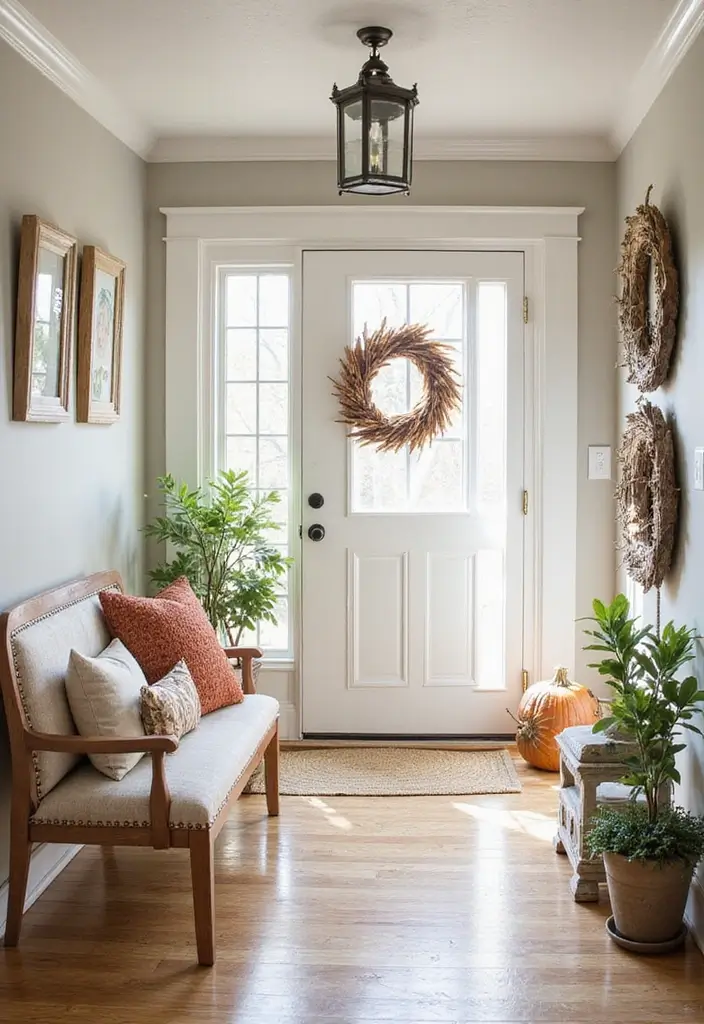
Keeping your entryway fresh with seasonal decor can be a fun way to embrace changes throughout the year.
Simply switch out accents like pillows, rugs, or artwork to reflect the season.
This keeps the space dynamic without requiring major overhauls. Here are a few tips for seasonal updates:
– Choose versatile decor that can transition through seasons with minimal changes.
– Incorporate natural elements like flowers or branches for a seasonal touch.
– Avoid clutter by rotating your decor thoughtfully.
21. Use Scents for Atmosphere
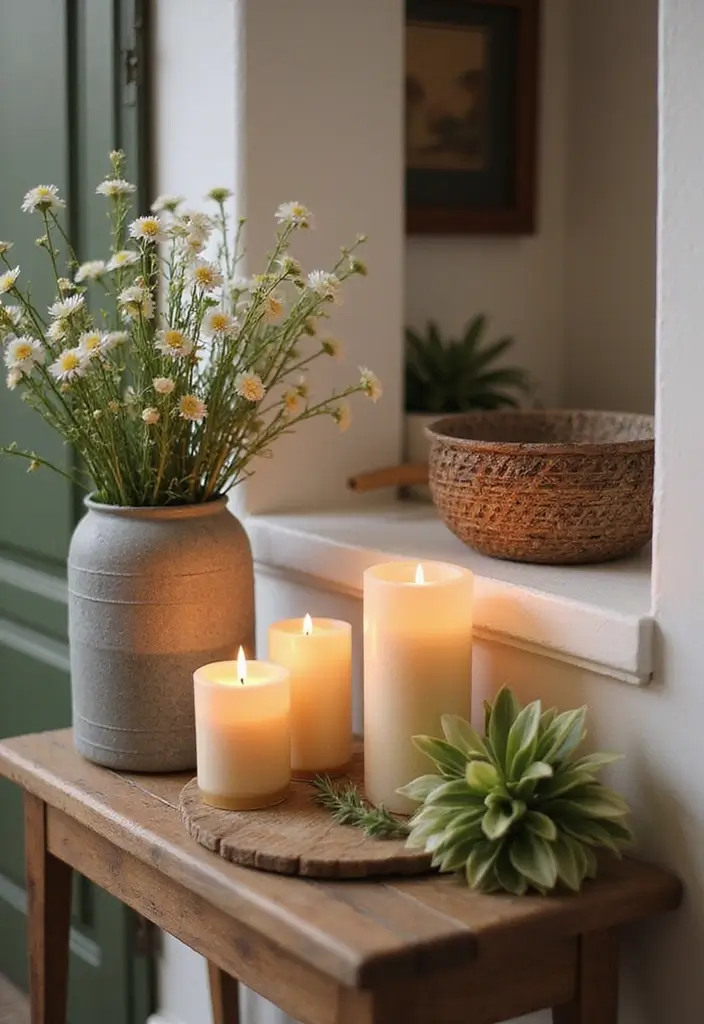
Engaging the senses adds warmth to your entryway.
Incorporating subtle scents through candles, diffusers, or natural elements like fresh flowers can create an inviting atmosphere.
Choose fragrances that suit your home’s vibe—think soft lavender for calm or citrus for invigorating energy. Tips to consider:
– Keep the scent subtle to avoid overwhelming guests.
– Use stylish vessels that fit with your entryway decor.
– Consider seasonal scents to enhance the mood throughout the year.
22. Choose Functional Decor
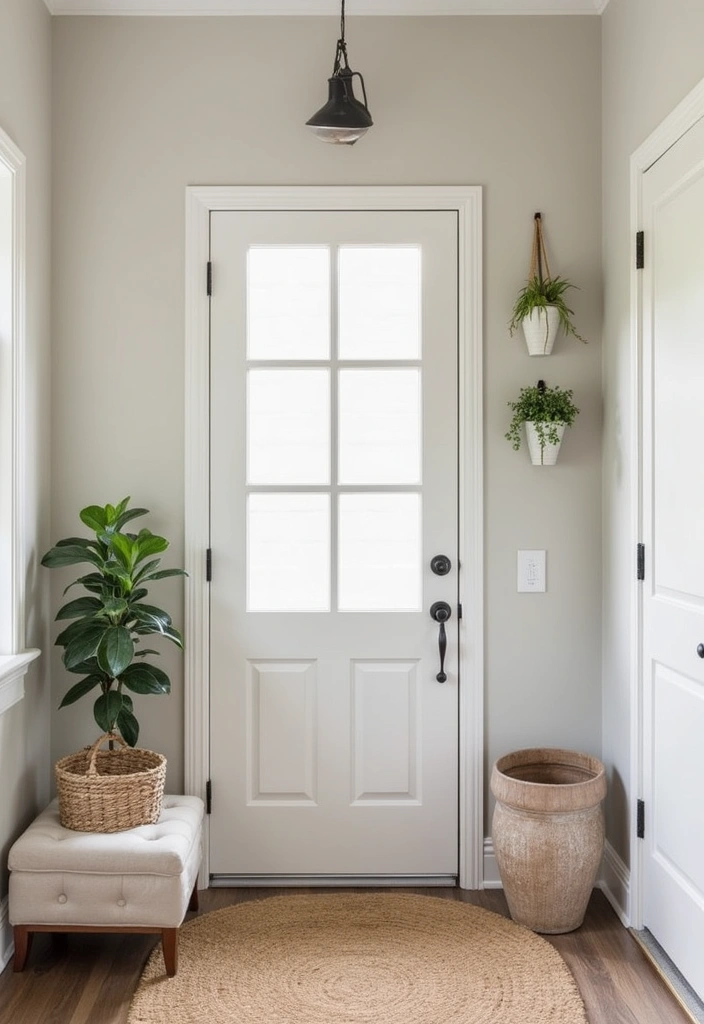
Every piece in your entryway should serve a purpose while enhancing the aesthetic.
Furniture like storage ottomans or benches can double as seating and storage, keeping clutter at bay.
This minimalist approach ensures your entryway looks stylish and practical. For functional decor:
– Opt for pieces that fit within your minimal style yet provide utility.
– Consider stylish baskets for hiding away shoes or bags.
– Ensure that every item has a designated place to prevent chaos.
23. Stay True to Your Style

Ultimately, your entryway should reflect your personal style.
Choose elements that resonate with you, whether it’s minimalistic, bohemian, or modern.
This personal touch makes the entryway not just a transition space but a representation of your home’s overall feel. Key points to remember:
– Browse inspiration but stay authentic to your vision.
– Don’t hesitate to mix styles as long as they complement each other.
– Keep functionality in mind to maintain the flow of the space.
24. Prioritize Practicality
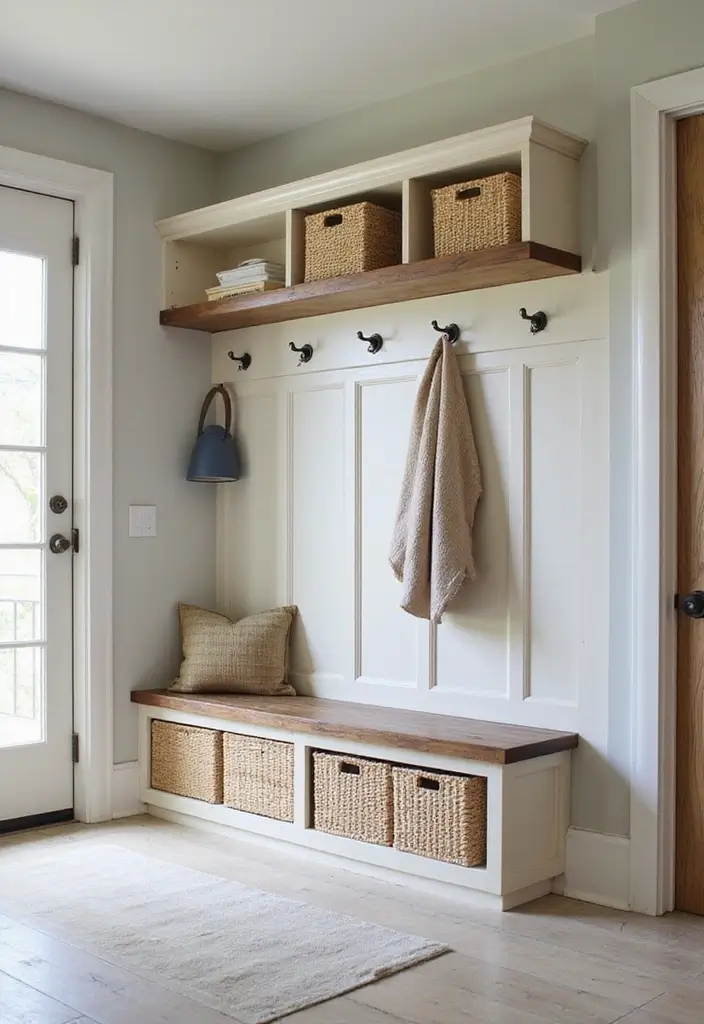
While aesthetics matter, practicality should never be overlooked in your entryway design.
Ensure your space is functional, with ample storage for shoes, umbrellas, and other essentials to avoid clutter.
Consider the flow of traffic and design around it. Practicality tips include:
– Invest in quality materials that stand up to wear and tear.
– Create designated spots for frequently used items to ease your daily routine.
– Keep surfaces clear to enhance space and functionality.
25. Keep It Flexible
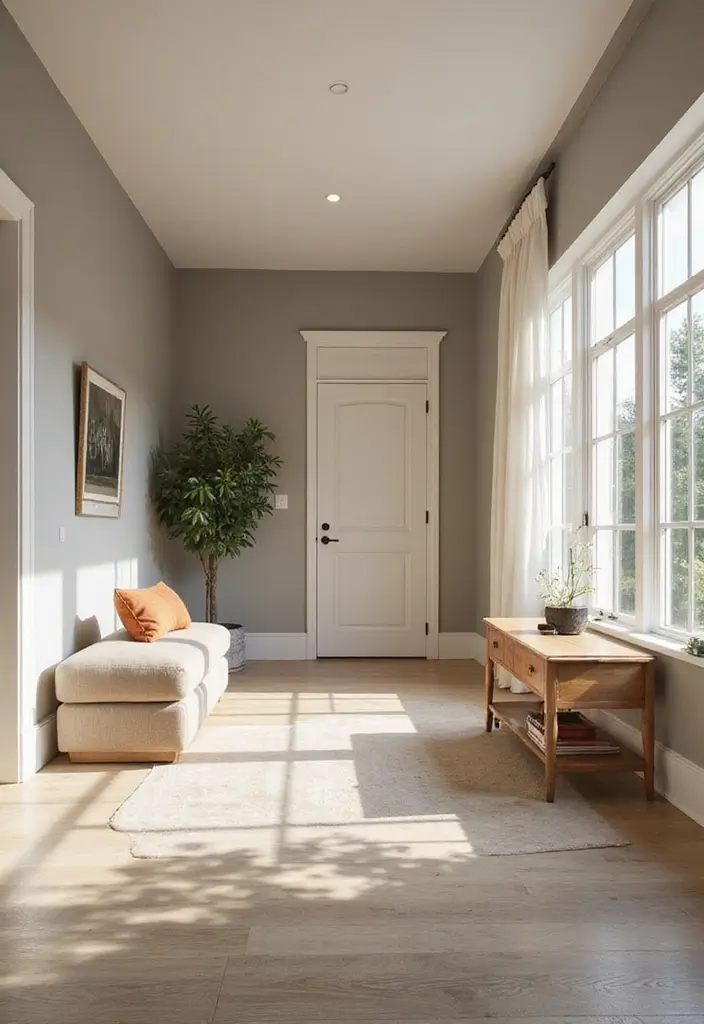
Flexibility in your entryway design can keep the space dynamic and ready for various needs.
Consider movable furniture or modular shelving that can adjust as your family’s needs change.
This approach allows you to adapt the entryway’s function as necessary. Tips for maintaining flexibility include:
– Use lightweight furniture that can be easily rearranged when needed.
– Choose decor that can transition through seasons or occasions.
– Make use of versatile storage solutions that grow with your family.
Conclusion
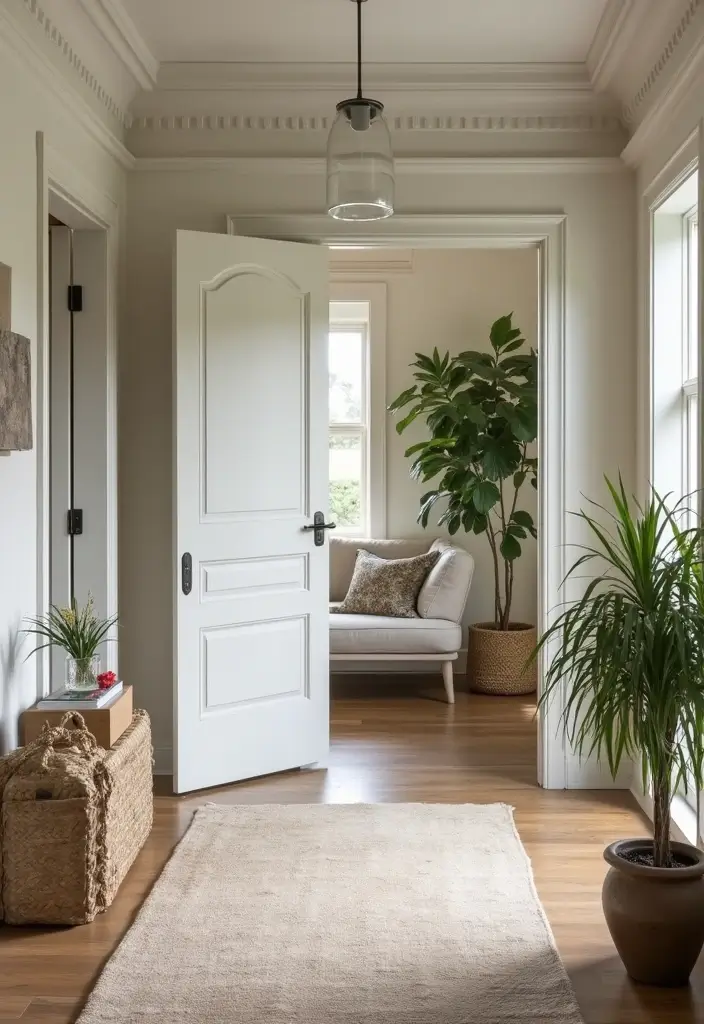
An open entryway can genuinely enhance the flow of your home while showcasing your unique style.
By incorporating these minimalist ideas, you can create a welcoming and functional space that makes a lasting impression.
Don’t hesitate to mix and match elements that resonate with you, and let your entryway reflect your personality.
Frequently Asked Questions
What Are Some Key Elements to Consider in Open Entryway Design?
When designing an open entryway, focus on creating a seamless flow between rooms. Key elements include choosing a neutral color palette to enhance light, incorporating functional storage solutions to keep clutter at bay, and selecting decorative accents that reflect your personal style. Each piece should be both practical and visually appealing, contributing to an inviting atmosphere.
How Can I Make My Entryway Feel More Spacious?
To create the illusion of a larger space in your entryway, consider using mirrors strategically to reflect light and open up the area. Additionally, incorporating open shelving can help maintain a sense of openness while providing storage. Opt for light-colored flooring and walls to enhance the airy feel, and avoid heavy furniture that may crowd the space.
What Are Some Practical Storage Solutions for a High-Traffic Entryway?
In a busy entryway, functional storage solutions are essential. Think about adding a mudroom effect with hooks for coats, a bench for putting on shoes, and baskets for organizing smaller items like bags or umbrellas. Built-in cabinets or stylish baskets can help hide clutter, keeping your entryway organized and welcoming for guests.
How Often Should I Change My Entryway Decor?
Updating your entryway decor seasonally can keep the space feeling fresh and inviting. Every few months, switch out textiles like rugs and pillows, or refresh art displays with new pieces that reflect the season. This not only rejuvenates the space but also allows you to express your style creatively throughout the year.
What Role Does Lighting Play in an Open Entryway?
Lighting is crucial for setting the mood in your open entryway. Consider layering different types of lighting—such as pendant lights for overhead illumination, wall sconces for ambiance, and table lamps for warmth. Natural light is also vital; keep windows unobstructed to maximize brightness and create a welcoming atmosphere for anyone entering your home.
Related Topics
open entryway ideas
minimalist design
hallway decor
seamless transitions
functional decor
neutral palette
smart storage
plant decor
beginner friendly
seasonal updates
lighting techniques
home organization